Who Is Angel Yeiayel, Number 22 in the 72-Angel Tradition?
How Yeiayel is formed from Exodus, why Psalm 121:5 is paired with the name, and where later themes of protection and renown begin

Angel Yeiayel is the twenty-second name in a later system that expands 72 sacred three-letter groups into angelic forms.
Readers also meet Ieiaiel, Yeiaiel, Yeyayel, or similar spellings, which can make a straightforward search look like several separate figures.
The number solves most of that confusion.
Position 22 anchors the name to one column in the traditional arrangement of Exodus 14:19–21 and distinguishes it from similarly spelled entries.
The rest of the profile grows outward. A paired verse from Psalm 121 supplies imagery of keeping and shade, while later manuals develop protection during travel, renown, commerce, leadership, and recovery from misfortune.
This page follows that growth in order. It explains the letter method first, then the name and psalm, then the later systems that assign dates, ranks, cards, and character traits.
Quick Facts
- Sequence position
- 22 in common 72-name angel tables
- Three-letter core
- Yod-yod-yod in widely used arrangements
- Common variants
- Ieiaiel, Yeiaiel, Yeyayel
- Paired verse
- Psalm 121:5 in many later manuals
- Later themes
- Protection, travel, renown, commerce, and leadership
- Biblical status
- The expanded angel name does not appear in Exodus or Psalms
How does the number 22 identify Yeiayel?
The number 22 places Yeiayel after Nelchael and before Melahel in widely circulated 72-name lists. That position remains useful when an editor changes vowels, reverses an i and y, or prints the name through a Latin spelling convention.
A quick identity check
Use coordinates that survive transliteration better than a modern pronunciation.
- Find the number
- Input
- The sequence beside the name
- Action
- Confirm position 22.
- Result
- The intended entry is fixed
- Check the triad
- Input
- The underlying consonants
- Action
- Look for three yod letters in the cited table.
- Result
- A stable written core
- Compare the psalm
- Input
- The assigned verse
- Action
- Look for Psalm 121:5 or its numbering equivalent.
- Result
- A traceable later pairing
- Record the edition
- Input
- The printed list
- Action
- Keep its spelling and correspondence choices.
- Result
- Differences remain auditable

This method also separates the name from Vehuel at position 49 and other later angels whose spellings share common divine endings. Sound alone is a weak identifier inside a 72-entry table.
What does the name Yeiayel mean?
Yeiayel expands a three-letter sacred group commonly written yod-yod-yod. The repeated consonants are treated as a divine name or letter formula, not as an ordinary Hebrew noun with one direct English definition.
The ending El makes the expanded form look like many theophoric angel names. Editors then supply traditional epithets such as “the right hand of God,” “God who hears generations,” or titles tied to renown and protection.
| Layer | Stable information | Caution |
|---|---|---|
| Yod-yod-yod | The three-letter core | Not a word-for-word biography |
| Yeiayel or Ieiaiel | A pronounceable angel form | Vowels vary by transmission |
| Divine right hand | A devotional interpretation | Often influenced by the paired psalm |
| Angel of renown | A later functional title | Not a dictionary translation |
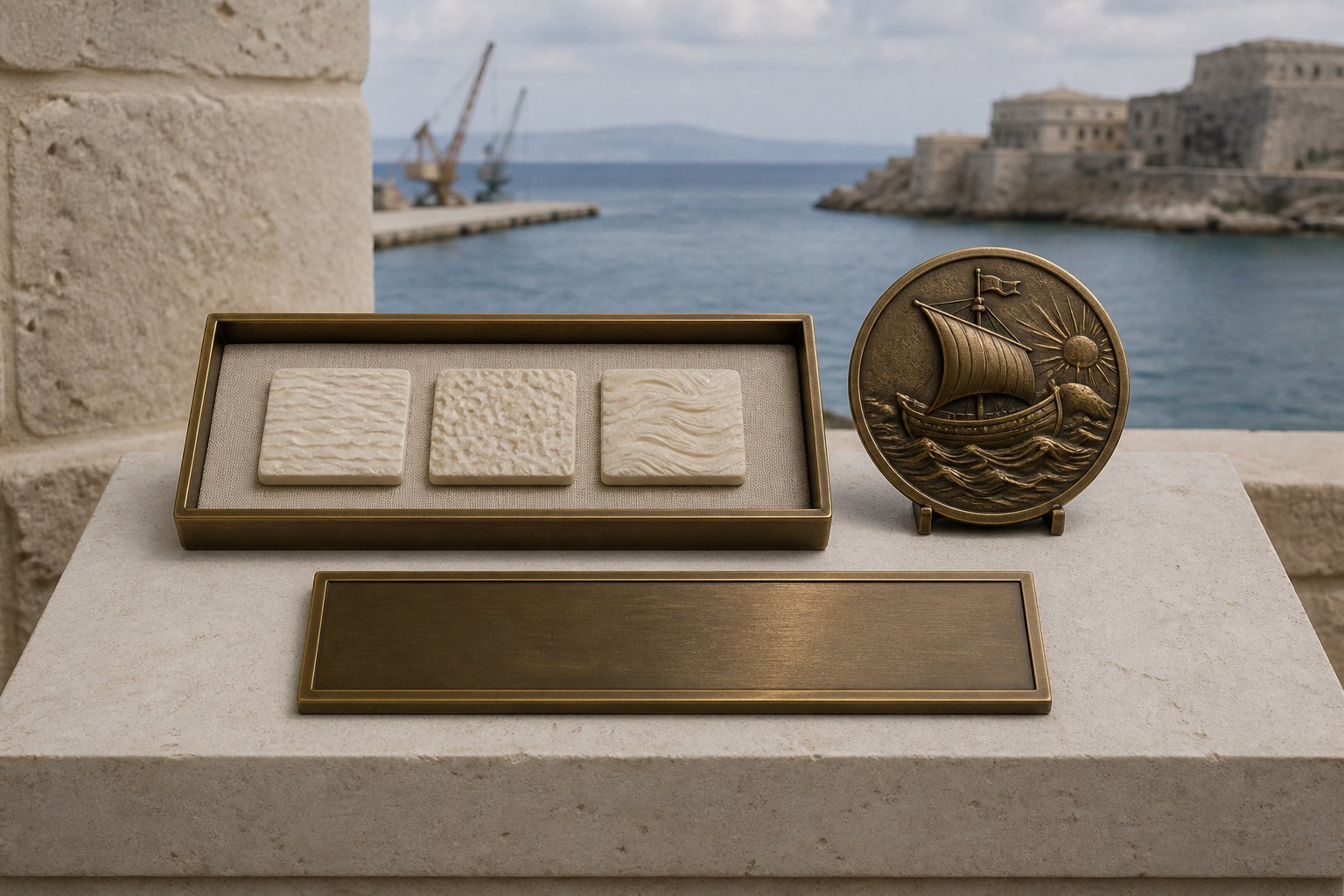
Meaning claims should name their owner. A linguistic explanation concerns the letters, while “renown” or “protection” summarizes what later manuals ask the name to do.
Is Yeiayel named in Exodus 14?
No angel named Yeiayel appears among the Bible's named angels. Exodus 14 narrates Israel's passage through the sea and includes the angel of God, cloud, Moses, wind, and divided waters.
Later interpreters use the written form of verses 19–21 in a new way. They arrange the three 72-letter Hebrew lines in alternating directions and read the vertical columns as 72 three-letter groups.
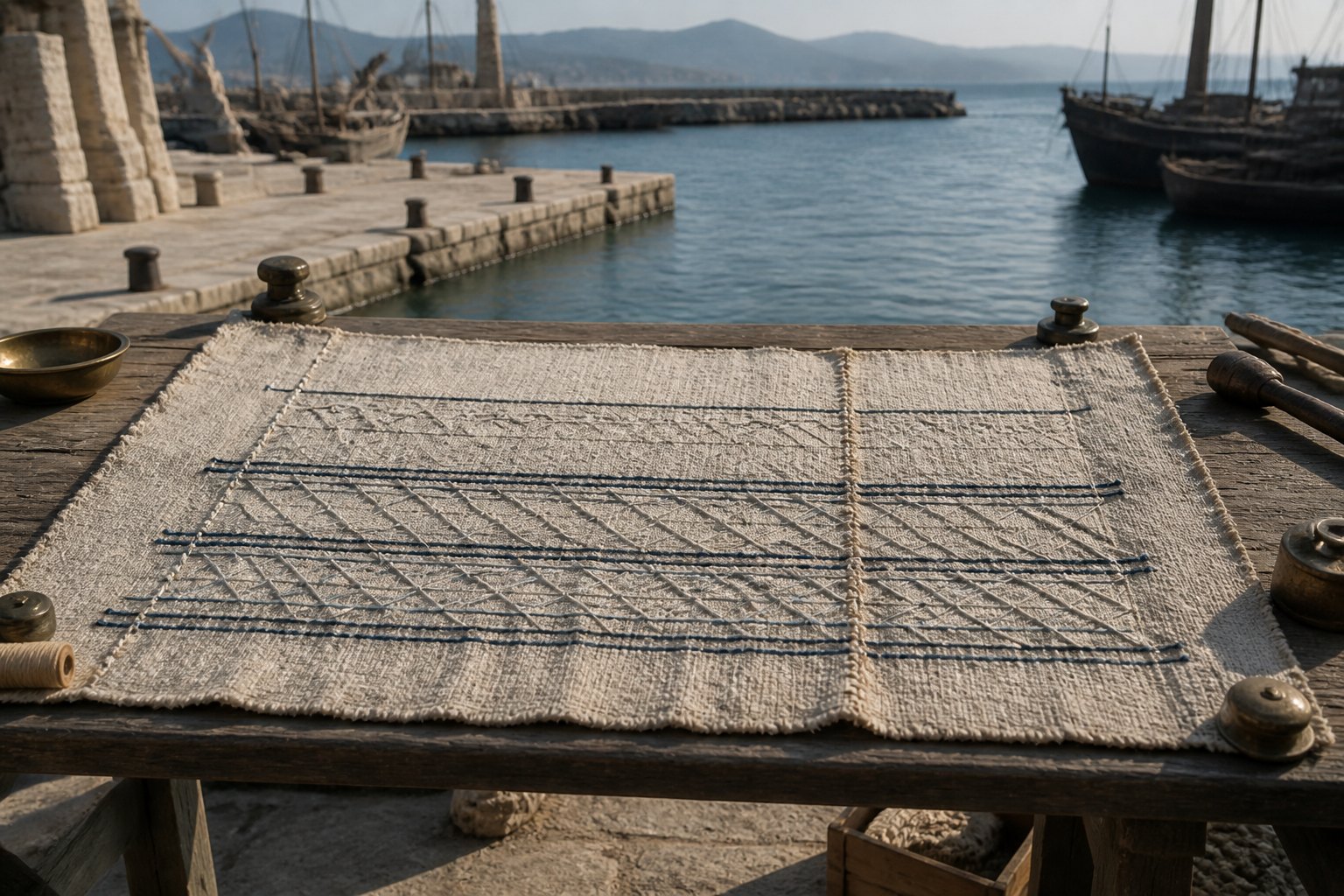
Text and later method
The same verses support two distinct reading practices.
What Exodus describes
What later interpreters notice
What the arrangement produces
What later name lists construct
The method belongs to the history of Hebrew sacred-name interpretation. It should not be presented as the plain narrative meaning of Exodus.
Why is Psalm 121:5 paired with Yeiayel?
Many later tables pair Yeiayel with Psalm 121:5: “The Lord is your keeper; the Lord is your shade at your right hand.” The wording provides a compact cluster of keeping, shade, nearness, and the right hand.
The Lord is your keeper; the Lord is your shade at your right hand.
Psalm 121:5, NRSVue
That verse helps explain why later writers connect the name with protection and safe travel. Psalm 121 is a Song of Ascents concerned with divine keeping through movement, danger, day, night, going out, and coming in.

The psalm does not contain Yeiayel's name. Its protective language belongs first to God, so a later angel pairing should not transfer the verse's entire theological subject to the angel.
Renown, commerce, and travel enter through later manuals
Later European occult and devotional lists expand Yeiayel's protection theme into success on journeys, maritime ventures, trade, leadership, diplomacy, and public reputation. The cluster reflects the risks and social needs of mobile merchants and officials.
Renown can mean being known for conduct or office, but modern summaries sometimes turn it into guaranteed fame. Historical correspondence does not promise celebrity, profit, or immunity from loss.

| Theme | Historical setting | Responsible modern reading |
|---|---|---|
| Travel | Exposure to uncertain roads and seas | Prepare, document, and protect the traveler |
| Commerce | Credit, cargo, reputation, and agreements | Use clear terms and honest records |
| Renown | Public trust attached to a name | Build credibility through conduct |
| Protection | A prayer for keeping | Never replace safety planning |
This practical history makes the profile more specific than a generic guardian angel. The later office concerns movement through public risk, not proof of a private companion assigned at birth.
Why do Yeiayel's birth dates and rank change by system?
Modern tables often divide the zodiac or solar year into 72 segments and assign one segment to each name. Yeiayel may then receive a late-July period, secondary dates, or a twenty-minute daily interval depending on the method.
Other charts place the first 24 names into groups of eight and call Yeiayel a member of the Thrones. That rank comes from combining the 72-name sequence with the Christian ninefold hierarchy.
Correspondences added after the name
Each coordinate requires its own table and cannot be inferred from position 22 alone.
Calendar method
Clock correspondence
Hierarchy synthesis
Later divinatory mapping
The biblical and theological Thrones have their own source history. A later table can place Yeiayel with that choir without proving that Ezekiel, Paul, or Pseudo-Dionysius named this angel.
Dates and ranks are therefore coordinates of a chosen system, not universal facts about every person born during a calendar range.
Does protection make Yeiayel a personal guardian angel?
Protection is a theme, not proof of personal assignment. Psalm 121 addresses divine keeping, while later Yeiayel manuals apply that language to one sacred name and modern birth tables add a calendar relationship.
Those are three different claims. A reader can value the psalm, study the name, or use a birth-date framework, but accepting one layer does not logically establish the others.
Three protection claims need separate evidence
The source owner determines how far each protection claim can reach.
What the evidence supports
- Psalm 121 speaks of God's keeping
This is a theological claim within the psalm itself.
- Later manuals pair Yeiayel with the verse
The pairing documents a devotional correspondence within a named 72-name system.
What remains limited
- The psalm does not name Yeiayel
The angelic name enters through a later interpretive method rather than the biblical verse.
- Birth-date guardianship remains system-specific
A modern calendar table cannot establish one universal guardian assignment for every reader.
The distinction matters because guardian angels by birth date are organized differently across sources. Date ranges can shift, secondary days may be added, and some religious traditions do not name a guardian through astrology at all.
A personal reflection can remain honest by naming its frame. “I am using Yeiayel as a symbol of careful travel” describes a choice; “Yeiayel was assigned to me and guarantees my safety” claims more than the historical evidence establishes.
How can Yeiayel's protection theme be used responsibly?
Psalm 121 places keeping within actual travel, so reflection on Yeiayel should return to the choices that make a trip safer. That may mean planning the route, checking agreements, sharing emergency contacts, resting before departure, arranging insurance, or admitting that a route is unsafe.
- Verify the identity: Confirm position 22 and the spelling used by your source.
- Read the whole psalm: Keep divine protection and the journey context together.
- Name the real risk: Identify the practical exposure instead of using protection as a vague promise.
- Protect trust: Let reputation follow accurate records, fair agreements, and fulfilled duties.
Modern art may use a road, ship, shield, right hand, or shade. These are interpretive protection symbols, not ancient identifying attributes unique to Yeiayel.
The complete historical answer stays layered. Yeiayel is the 22nd expanded name in the later 72-name sequence; Psalm 121:5 supplies protective imagery; manuals develop travel, commerce, and renown; modern systems add dates, ranks, and cards.
Frequently Asked Questions
Who is Angel Yeiayel?
Yeiayel is number 22 in later lists of 72 angels formed from sacred three-letter groups associated with Exodus 14:19–21.
What does Yeiayel mean?
The name expands a three-yod letter-group with El. Titles such as angel of renown or divine right hand are later interpretations rather than direct dictionary translations.
Are Yeiayel and Ieiaiel the same?
Yes. They are common transliteration and vocalization variants for the same position 22 entry.
What Psalm is linked with Yeiayel?
Many later tables pair Yeiayel with Psalm 121:5, which describes the Lord as keeper and shade at the right hand.
Is Yeiayel a biblical angel?
The expanded name Yeiayel does not appear in the Bible. It is constructed in later sacred-name and angel-list traditions using biblical letters.
Sources
- (ancient). Exodus 14:19–21. Hebrew Bible
- (ancient). Psalm 121:5. Hebrew Bible
- (1517). De Arte Cabalistica. Christian Cabala
- (1801). The Magus. Lackington, Allen, and Co.
- (1951). La Kabbale pratique. Niclaus
About Our Editorial Process
Every KnowTheAngels guide separates calculation method, tradition context, and personal reflection. We cite where interpretations come from, present more than one view, and never present symbolic reading as prediction.
Read our editorial policy