Who Is Angel Yelahiah, Number 44 in the 72-Angel Tradition?
How Yelahiah is formed from the 44th letter-group, why source tables disagree about its psalm, and where courage and justice claims begin

Which details still identify Yelahiah when modern tables disagree?
Position 44 and the underlying letter-group remain stable, while spellings, psalm pairings, dates, choir, planet, and tarot correspondence can change from one system to another.
Modern profiles describe Yelahiah through courage, justice, duty, victory, or protection in conflict.
Those labels belong to later interpretive systems and make more sense after the name's textual coordinates have been established.
The source disagreement is useful evidence rather than a problem to hide. It separates the older letter construction from the correspondence packages built around it.
This article follows that distinction through the competing psalm verses and the moral language of battle. It closes by testing what the symbolism can support without predicting victory or blessing violence.
Quick Facts
- Sequence position
- 44 in common 72-name angel tables
- Three-letter core
- Yod-lamed-he in widely used arrangements
- Common variants
- Ielahiah, Yelahel, and Ielahiel
- Later themes
- Courage, justice, duty, conflict, and protection
- Psalm issue
- Psalm 119:108 and Psalm 18:49 both circulate
- Biblical status
- The expanded angel name is not present in the biblical verses
Why is position 44 more reliable than Yelahiah's spelling?
Position 44 places Yelahiah between Veualiah and Sealiah in many 72-name lists. That coordinate survives changes from Yelahiah to Ielahiah, Yelahel, or other vocalized forms.
The underlying group is commonly written yod-lamed-he. The longer angel name adds a divine element and vowels, which creates more room for editors working through Hebrew, Latin, French, and English to disagree.

Identity coordinates in order of strength
Use the sequence and letters before relying on modern titles.
Strongest quick identifier
Stable consonantal core
Vocalized transmission
Later interpretation
This source-first method is especially helpful beside Vehuiah at position 1, because similar iah endings do not signal the same letters, office, or place in the sequence.
Does Yelahiah Mean 'God the Eternal' or Something More Specific?
Modern lists translate Yelahiah with phrases such as “God the Eternal,” “the eternal God,” or “God who hears generations.” These are traditional epithets attached to the expanded name, not simple glosses in which each English word follows directly from yod-lamed-he.
The ending Yah is a shortened divine-name form also found in many later Hebrew angel names. Its relation to the Hebrew sacred-name tradition differs from an ordinary personal name.
| Level | What it tells us | What it does not prove |
|---|---|---|
| Yod-lamed-he | The three-letter core | One English dictionary definition |
| Yelahiah | A pronounceable angelic form | A biblical appearance |
| God the Eternal | A later devotional epithet | A unique lexical derivation |
| Angel of courage | A functional summary | The original purpose of the letters |

A careful meaning answer therefore preserves uncertainty. The title can be quoted as a received interpretation while the letter-group remains the most stable textual core.
How is Yelahiah formed from Exodus 14:19–21?
Later interpreters arrange the Hebrew letters of Exodus 14:19–21 into three rows of 72 characters. The middle row runs in reverse, and the vertical columns produce 72 groups of three letters.
From sea-crossing verses to entry 44
The name emerges through a later letter operation rather than through a character named in the story.
- Count
- Input
- The Hebrew forms of three consecutive verses
- Action
- Use the traditional 72-letter count for each.
- Result
- Three equal rows
- Alternate
- Input
- The middle verse
- Action
- Reverse its direction between the first and third rows.
- Result
- A boustrophedon grid
- Select
- Input
- Vertical column 44
- Action
- Read yod-lamed-he.
- Result
- The sacred three-letter group
- Expand
- Input
- The triad
- Action
- Add a divine ending and vocalization.
- Result
- Yelahiah or a variant
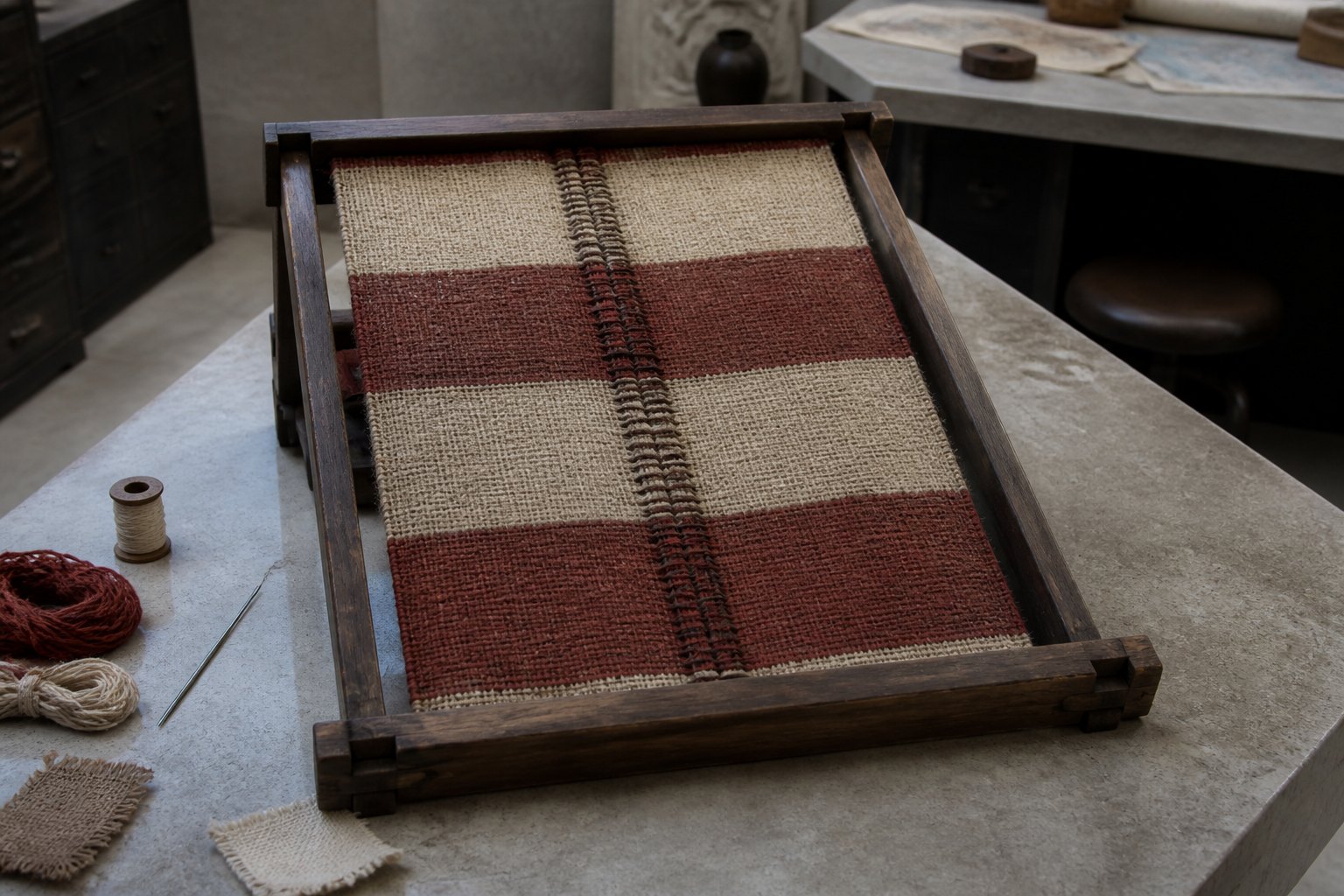
Exodus itself speaks of the angel of God in the sea-crossing narrative but does not name that figure Yelahiah. The angel list and its later offices belong to reception history.
Which Psalm belongs to Yelahiah?
There is no single uncontested answer across modern tables. Psalm 119:108 is widely assigned in systems influenced by twentieth-century practical Kabbalah, while other lists give Psalm 18:49 or number the equivalent line differently.
| Verse | Central language | How it shapes the profile |
|---|---|---|
| Psalm 119:108 | Accept my freewill offerings and teach me your ordinances | Duty, willing speech, and learning judgment |
| Psalm 18:49 | Giving thanks among nations and singing praise | Public deliverance after conflict |
Both verses can be made to fit later Yelahiah themes, which is exactly why the source must be named. Thematic fit is not evidence that two different assignments were always one tradition.

The conflict is useful rather than embarrassing. It proves that the paired verse is a later interpretive coordinate, not an identifying statement in Exodus.
Courage and justice grow from a world of conflict
Later manuals describe Yelahiah as helping with courage, lawful causes, protection against aggressors, fulfillment of duty, and success in difficult contests. Some material uses military language and associates the name with soldiers or leaders.
This does not make violence sacred or guarantee that a person who invokes the name is just. Every conflict contains competing stories, unequal power, and consequences that a symbolic profile cannot adjudicate.
Four tests for courageous action
Later warrior language becomes ethically useful only when it is separated from aggression.
Moral clarity
Legitimate responsibility
Restraint
Consequences
The distinction aligns with broader protector imagery around Michael while preserving Yelahiah's separate place in a 72-name list. Similar courage themes do not make the figures aliases.
Why do choir, planet, and tarot claims conflict?
Compilers map the 72 names onto angelic hierarchy systems in different ways. One table may place Yelahiah among the Virtues under a particular archangel, another may emphasize Mars or the Sun, and a tarot system may assign a card through decans or demon-angel pairings.
Each mapping has its own mathematics and history. Position 44 does not independently disclose a choir, planet, guardian birth date, twenty-minute period, or tarot card.
| Coordinate | Owner | Question to ask |
|---|---|---|
| Choir | A hierarchy synthesis | Which ninefold table is being used? |
| Planet | An astrological scheme | Is it derived from sign, decan, or choir ruler? |
| Birth dates | A division of the solar year | Which calendar boundaries apply? |
| Tarot card | A later occult mapping | Which deck and attribution system? |
The Virtues in angelology have an older theological history that does not name Yelahiah. A later compiler may join the systems, but the join should remain visible.
How Do Positions 33, 43, and 44 Separate Yehuiah, Veualiah, and Yelahiah?
Similar consonants and recurring iah endings make copied 72-name lists easy to misread. Sequence position is the fastest way to keep three neighboring or visually similar names apart.
| Name | Common position | Frequent later theme |
|---|---|---|
| Yehuiah | 33 | Duty, obedience, or subordination |
| Veualiah | 43 | Prosperity, liberation, or leadership |
| Yelahiah | 44 | Courage, justice, and restrained conflict |
Veualiah sits immediately before Yelahiah in many tables, so one misplaced row can transfer a psalm, demon pairing, degree range, or choir assignment. Yehuiah is farther away but can look deceptively close when vowels and initial letters vary.

Repair a doubtful Yelahiah entry
Treat the list as a coordinated record rather than trusting one copied name.
- Locate position 44
Confirm the printed sequence number before reading the profile so the entry stays anchored.
- Compare neighboring rows
Check Veualiah and Sealiah immediately before and after it so a shifted row becomes visible.
- Verify the triad and psalm
Compare both with the cited edition to detect correspondences copied from different systems.
- Label the remaining conflict
Name both source traditions instead of hiding the disagreement behind one confident profile.
This check is more useful than inventing a personality distinction after the fact. It returns identity to the list coordinates that produced the expanded names.
Can Yelahiah guarantee victory or legal success?
No historical correspondence can guarantee the kind of verdict associated with Vasiariah's justice tradition, a military outcome, workplace dispute, or personal confrontation. It also cannot establish that the reader's side is morally correct.
A grounded devotional reading asks for courage to tell the truth, accept evidence, use proportionate means, protect vulnerable people, and stop when continued conflict causes needless harm. Those actions remain accountable to law, professional advice, and other people.
- Do not predict the result: Courage is a way of acting, not proof of victory.
- Check the forum: Legal, medical, military, and workplace disputes need qualified authority.
- Separate defense from retaliation: Protection has a stopping point.
- Document the source: Label the psalm and correspondence table actually used.
Modern swords, shields, red light, or fire symbolism can visualize resolve. They are interpretive choices and should never turn a source-aware article into a call for aggression.
Yelahiah remains distinctive without a promise. The figure is number 44 in a later 72-name sequence, and later traditions use that identity to think about courage, duty, judgment, and restrained action in conflict.
Frequently Asked Questions
Who is Angel Yelahiah?
Yelahiah is number 44 in later lists of 72 angels formed from sacred letter-groups associated with Exodus 14:19–21.
What does Yelahiah mean?
Traditional epithets include “God the Eternal,” but the underlying yod-lamed-he group does not have one uncontested word-for-word English translation.
Is Yelahiah in the Bible?
No named angel Yelahiah appears in the Bible. The three-letter method uses biblical text, while the expanded name and profile come from later traditions.
Which Psalm is associated with Yelahiah?
Sources disagree.
Psalm 119:108 appears in many modern practical-Kabbalah tables, while Psalm 18:49 circulates in other lists.
Cite the table used.
Is Yelahiah an angel of courage?
Courage, justice, duty, and protection in conflict are common later interpretations. They are not direct translations of the name or promises of victory.
Sources
- (ancient). Exodus 14:19–21. Hebrew Bible
- (ancient). Psalm 119:108 and Psalm 18:49. Hebrew Bible
- (1517). De Arte Cabalistica. Christian Cabala
- (1801). The Magus. Lackington, Allen, and Co.
- (1951). La Kabbale pratique. Niclaus
About Our Editorial Process
Every KnowTheAngels guide separates calculation method, tradition context, and personal reflection. We cite where interpretations come from, present more than one view, and never present symbolic reading as prediction.
Read our editorial policy