Who Is Angel Armisael in Jewish Magical Tradition?
A careful guide to Armisael as a womb and childbirth angel in Jewish magical reception, without fertility guarantees
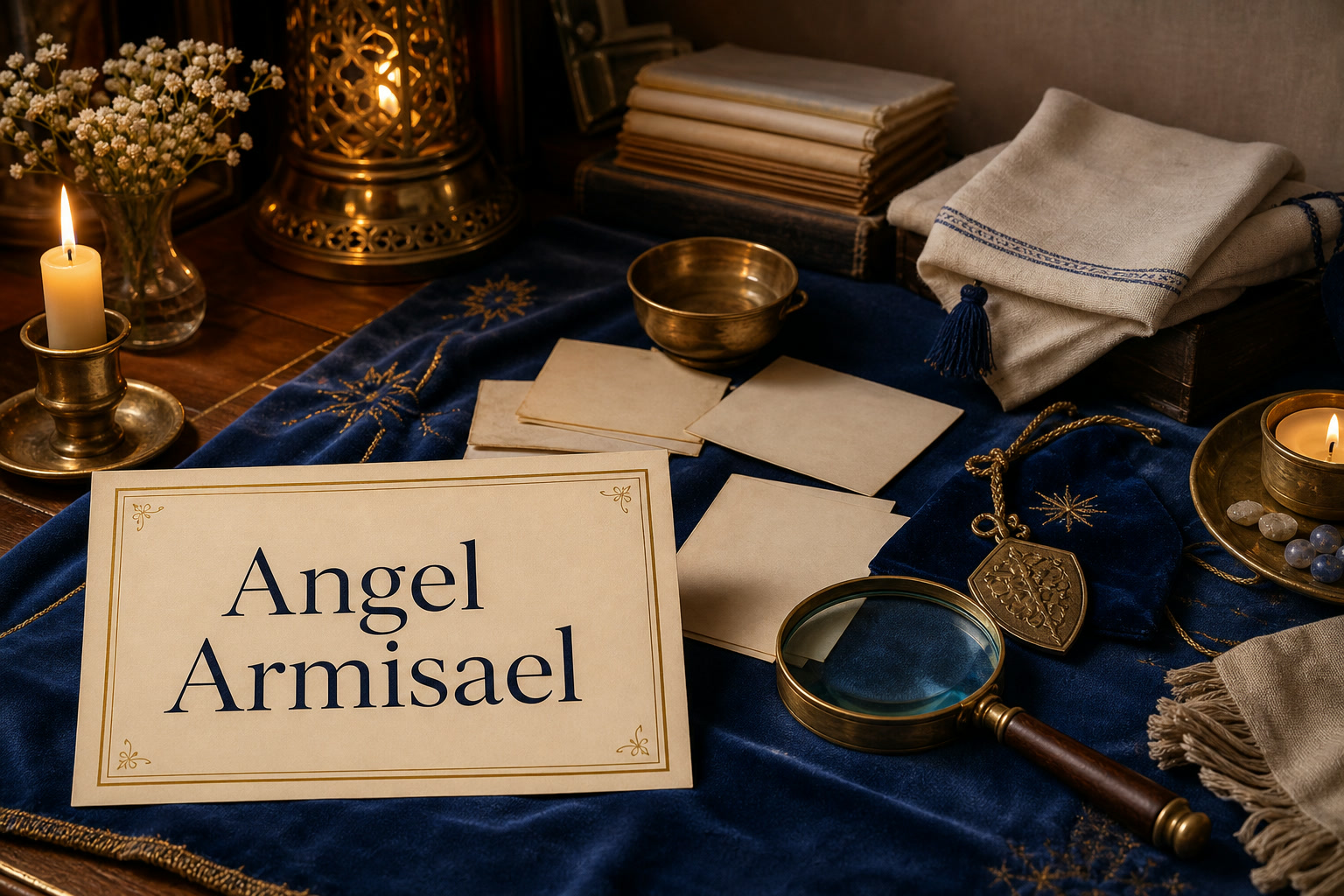
Armisael is a later angel-name associated with the womb, labor, and protective speech around childbirth. The name belongs to Jewish magical reception and reference tradition, not to a biblical angel story.
That source location changes the whole article. Readers usually arrive with a personal question about pregnancy, fear, hope, or loss, so the first duty is to separate historical protective language from any promise about outcome.
Armisael can name care around childbirth, but it cannot predict pregnancy, protect a birth by itself, or replace medical support.
Quick Facts
- Main association
- Childbirth, the womb, and protective invocation
- Source type
- Jewish magical and household protective tradition
- First boundary
- No fertility promise and no birth-outcome guarantee
- Best use
- Historical study, careful prayer, or quiet reflection
- Nearby contrast
- Ananchel is grace and Asariel is water; Armisael is birth protection
- Wrong move
- Using the name as medical advice or proof
Where the childbirth link to Armisael actually comes from
The childbirth link comes from later angelological references and Jewish magical material, where Armisael is named in connection with the womb, labor, and protection during birth. That is a real source type, but it is not the same thing as a biblical profile or a church-wide doctrine.
Ananchel raises a question about grace, while Armisael's surviving association concerns birth protection. Asariel belongs to water symbolism, so neither name supplies evidence for Armisael's role.
The key fact is not only that the name exists. It is that the name appears in a narrow and emotionally charged setting.
Older households remembered Armisael where people feared labor, wanted help, and reached for protective language.
Broad Hebrew archangel lists cannot establish Armisael's childbirth association. General Hebrew-name evidence may inform the spelling, but it does not supply the role.
They come here to understand why birth protection drew its own speech, symbols, and names.
| source context | What it supports | What it cannot support |
|---|---|---|
| Reference dictionaries | A stable later association with childbirth and the womb | A full biblical biography |
| Protective-name material | Use in anxious household and labor settings | Guaranteed safety or fertility |
| Modern spiritual reuse | Reflection, prayer, or naming interest | Proof that the old source promised outcomes |
That direct answer matters because the page does not need to drift into vague comfort copy. Armisael is specific, later, and sensitive all at once.
Why birth-protection names mattered in older Jewish practice
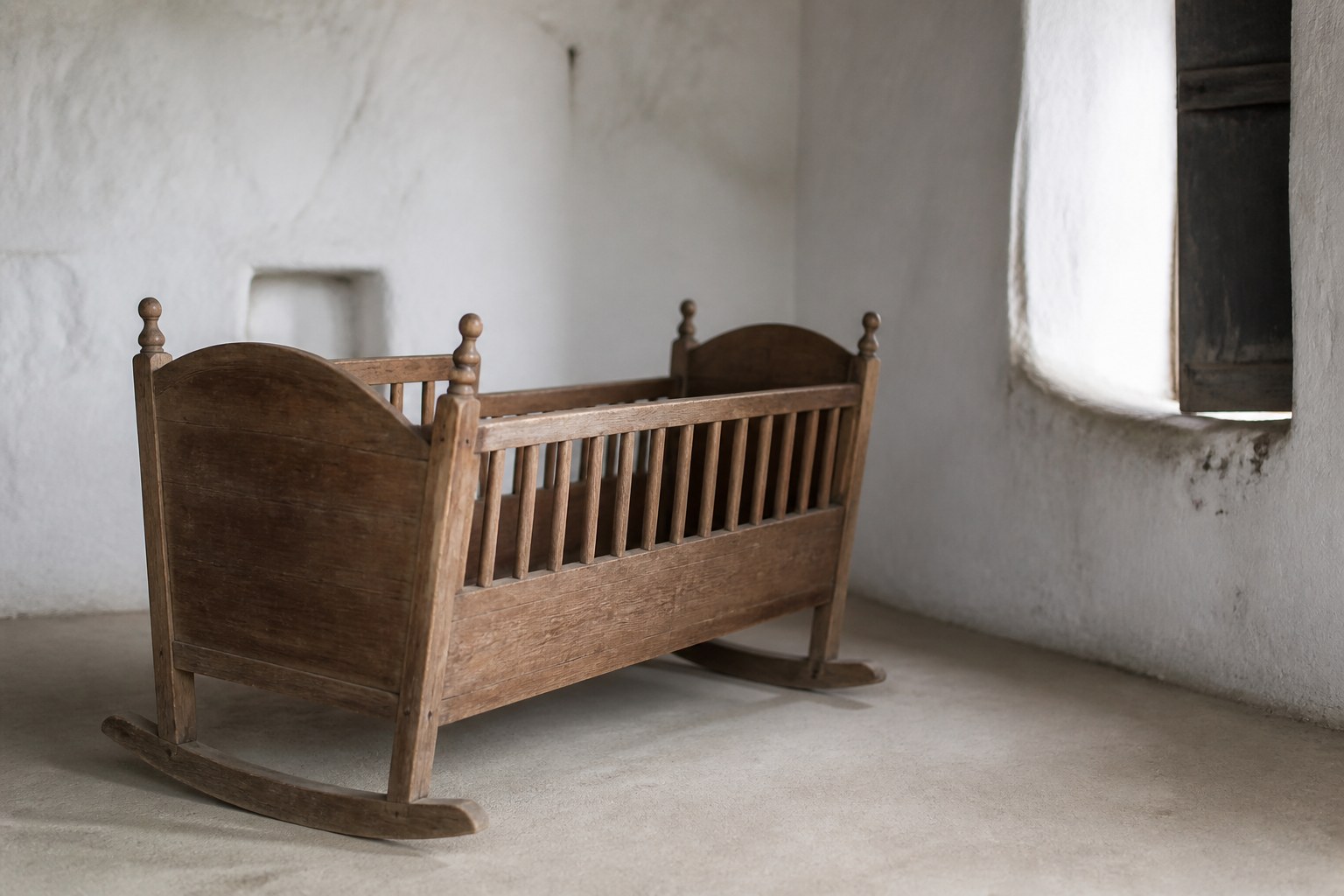
In older Jewish household practice, childbirth carried serious danger. Families worried about labor, blood loss, infection, stillbirth, and the survival of both mother and child, so protective names and prayers grew around moments that felt fragile and hard to control.
Armisael makes the most sense inside that world. The name belongs closer to household protection, amulet use, psalm recitation, and anxious prayer than to a polished archangel profile.
That history also explains why the profile can stay concrete. A household might combine prayer, a protective text, herbal practice, and family care on the same day.
Families mixed spiritual language, ordinary remedies, and watchful support because birth stayed uncertain.
- Danger context. Birth carried real physical risk, so protective speech had a practical emotional job.
- Household context. These names often lived in domestic religion, not only in formal theology.
- Mixed-practice context. Prayer, folk medicine, memory, and fear could sit side by side.
- Modern reading context. The history explains the name without turning the history into a clinical method.
That background makes Armisael easier to read with respect. People used protective language because birth exposed real vulnerability, not because the tradition offered a simple formula.
What Armisael can and cannot mean for a pregnancy question today
For a modern reader, the useful meaning is modest. Armisael can name a wish for steadiness, safe care, tenderness, and protection around birth, but it cannot tell anyone what will happen next.
The boundary used for healing prayer also applies here: prayer may support courage and attention, but it does not replace medical care. A guardian-angel prayer likewise remains a devotional practice rather than clinical guidance.
This caution becomes even more important for readers carrying IVF stress, prior loss, high-risk pregnancy, or uncertain test results. An old name should never pressure someone to feel spiritually hopeful on command.
| Reader situation | Helpful use | Wrong use |
|---|---|---|
| Pregnancy anxiety | A short prayer for steadiness and support | Claiming the angel guarantees safety |
| Infertility or loss | Room for grief, silence, and compassion | Saying the name explains the outcome |
| Historical research | Tracing birth-protection customs and sources | Treating folklore as medical evidence |
| Naming or art | Using womb-and-beginning symbolism with labels | Calling a modern use ancient proof |
A reader may also decide not to use the name devotionally at all. That is a healthy outcome when the situation already carries enough fear, medical complexity, or personal grief.
The guide becomes kinder when it says less about certainty. Armisael can support careful reflection precisely because it refuses to take over the reader's real support system.
Why Armisael is not simply a healer, fertility, or guardian name
Armisael can sound soft because childbirth, protection, and care all sound gentle. The source trail is narrower than that.
This name is not a general healer profile, a fertility angel, or a standard guardian figure.
That distinction becomes clearer when readers place Armisael beside healer-name pages, Ananchel, Asariel, and guardian prayer language. Each guide answers a different kind of need.
| Name or group | Primary question | Main risk if swapped |
|---|---|---|
| Armisael | How older birth protection language worked | Turning a tradition into a fertility promise |
| Healer names | How restoration or healing symbolism works | Erasing the childbirth setting |
| Ananchel | How grace language is used devotionally | Flattening grace and labor into one mood |
| Asariel | How water or lunar symbolism is handled | Replacing birth context with atmosphere |
This is the swap-test difference. If the explanation can trade childbirth for grace or water and still work, the page is not specific enough yet.
When the safest use is study, prayer, or silence
Armisael does not need a dramatic modern practice to be useful. For many readers, the healthiest use is a study note, a plain prayer for care, or even the choice to stop at context and say nothing more.
That answer especially matters for readers dealing with grief, infertility, complicated pregnancy, or medical risk. Some people will prefer a brief journal reflection.
Others will not want spiritual language near the issue at all, and that is also a sound boundary.
Writers and artists can also use Armisael carefully if they keep the childbirth setting visible. The safest creative use is symbolic and labeled, not a claim that the name carries ancient authority for every modern fertility story.
That practical boundary matters because vulnerable readers need a plan as much as a symbol. A short protective prayer, a real support list, and honest medical communication usually serve the moment better than elaborate angel language.
- For study. Trace the source before repeating the claim.
- For prayer. Ask for care, wisdom, courage, and good support.
- For grief. Leave room for lament instead of forcing purpose.
- For health. Keep doctors, midwives, counselors, and trusted people in the center.
That balance keeps the page useful to skeptical readers too. Armisael can illuminate how people once tried to protect birth without asking the modern reader to adopt the practice.
That is the humane use of the name. Armisael can stand near vulnerable beginnings without pretending to control them.
A simple source test before repeating an Armisael claim
Before repeating an Armisael claim online, in prayer, or in a naming conversation, check the source and the effect.
The name needs more care than a generic angel summary because readers may be carrying fear, hope, or fresh loss.
A simple source test matters here because unsupported birth claims can hurt faster than unsupported symbolism in a less sensitive topic. Readers may make real emotional or spiritual decisions based on the tone of the page.
A good practical check is to ask whether the claim cites a real source family such as a dictionary, a protective text, or a prayer custom. If the wording only circles through quote cards, fertility forums, or vague angel-message summaries, the safest move is to stop there.
That extra pause is part of the care boundary too. Sensitive birth language deserves slower handling than a casual symbolism post.
Armisael source test
Use this short check before you repeat a claim about Armisael.
- Step 1
- Input
- The exact claim you saw or heard
- Action
- Ask whether it comes from a dictionary, a magical text, a prayer custom, or modern spiritual content
- Result
- You know which source type is speaking
- Step 2
- Input
- Any promise in the claim
- Action
- Remove language that predicts pregnancy, safety, or healing
- Result
- The wording becomes honest and non-coercive
- Step 3
- Input
- The reader situation
- Action
- Ask whether the claim could pressure someone in grief or medical uncertainty
- Result
- You keep the page pastorally safe
- Step 4
- Input
- Your final use
- Action
- Choose study, gentle prayer, or silence instead of certainty
- Result
- The name stays in a proportionate role
That is the clean ending for Armisael. Honor the old protective instinct, name the source honestly, and leave real care in the hands of real people.
Frequently Asked Questions
Who is Armisael?
The name comes from Jewish magical and household protective writing, where it belonged to childbirth invocation and womb-protection speech rather than to a biblical angel story.
Is Armisael a fertility angel?
No. Armisael belongs to childbirth-protection tradition, but that association does not promise an outcome for conception, pregnancy, or birth.
Can Armisael be used in prayer?
Some readers may use the name in a very humble prayer for care, wisdom, and support. The prayer can stay free of prediction, bargaining, and medical replacement language.
Why does this article sound more cautious than other angel-name pages?
Because readers often reach Armisael while facing fear, grief, infertility, or medical uncertainty. The guide can protect the reader before it offers symbolism.
Sources
- (1967). A Dictionary of Angels. Free Press
- (1939). Jewish Magic and Superstition. Behrman's Jewish Book House
- (ancient). Psalm 20. Prayer text associated with help in distress
About Our Editorial Process
Every KnowTheAngels guide separates calculation method, tradition context, and personal reflection. We cite where interpretations come from, present more than one view, and never present symbolic reading as prediction.
Read our editorial policy