Who Is Angel Verchiel, and How Is He Connected With Leo?
How an early modern angel list connected Verchiel with Leo, July, the Sun, and the heart, plus what the sources do not establish
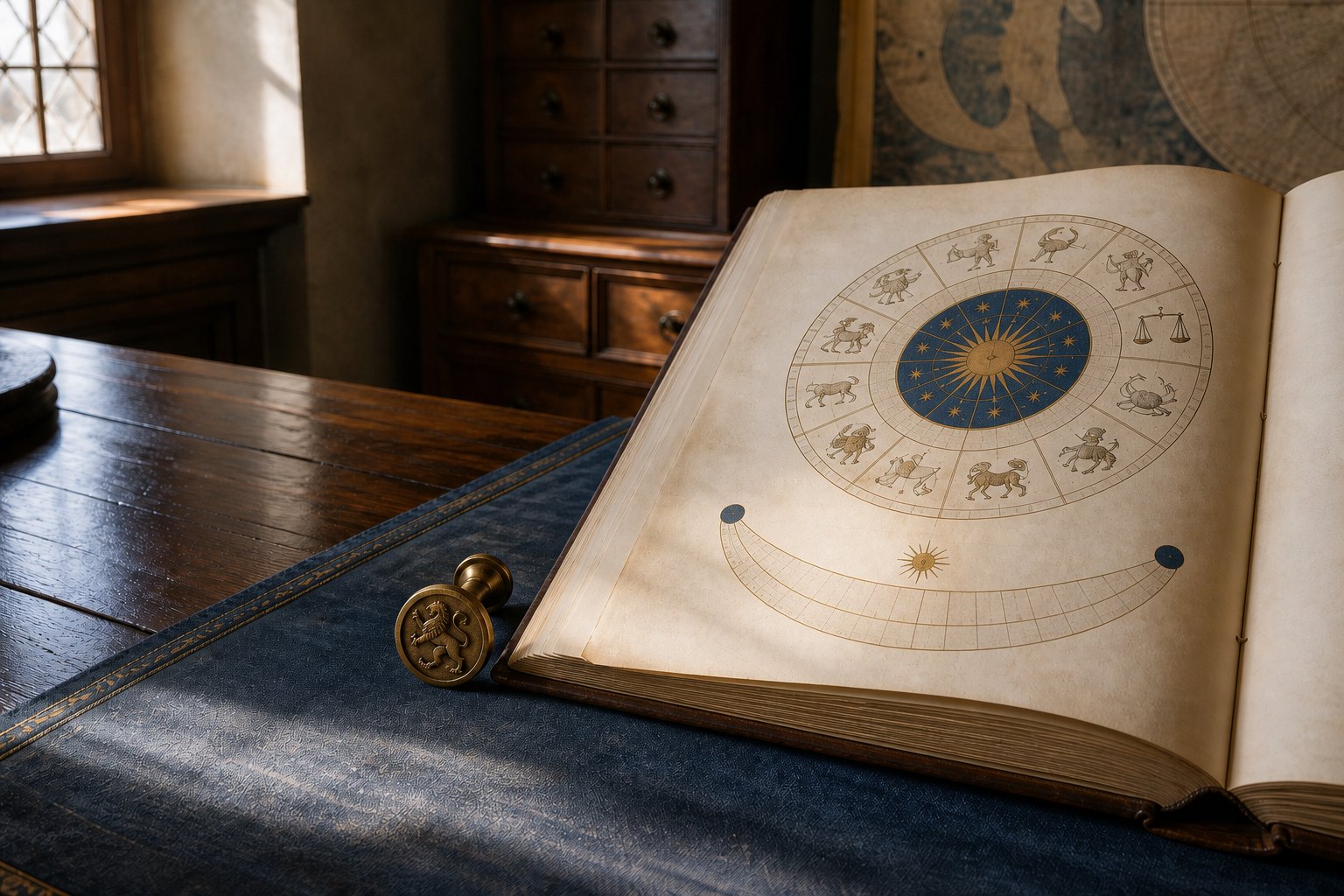
Angel Verchiel is usually described as the angel of Leo and July.
That concise answer is useful, but it belongs to early modern astrological angelology rather than to a biblical story.
The surviving profile is assembled from tables.
One source supplies a zodiac sign, another supplies a month, and later writers add a celestial rank, a body part, colors, stones, virtues, or devotional uses.
Those additions do not carry equal historical weight.
Verchiel therefore needs a source map more than a conventional biography.
This article follows the name from Renaissance print and magical calendars into modern angel dictionaries. It also explains why Leo, the Sun, and the heart form a coherent symbolic group without proving that one timeless tradition assigned every detail to the same angel.
Quick Facts
- Best-attested role
- Angel associated with Leo and July in later astrological tables
- Source period
- Early modern Europe and later occult reference works
- Biblical status
- Not named in the canonical Bible
- Variant form
- Varchiel appears in some English sources
- Common body link
- The heart, through zodiacal body correspondences
- Meaning caution
- Traditional English glosses are not a secure etymology
Why does Verchiel belong to zodiac tradition?
Verchiel enters view as a name inside systems that coordinate angels with signs, months, planets, body regions, and ranks. The profile is tabular from the beginning, so there is no old narrative in which Verchiel appears, speaks, or performs a distinctive act.
This makes Verchiel different from Uriel's textual history, which can be traced through named appearances in works such as 1 Enoch and 4 Ezra. Verchiel is identified by a repeating coordinate rather than by a scene.
The coordinate is historically meaningful. When independent later compilations repeatedly place the name near Leo and July, they document the reception of an angelic figure even though they do not prove that the assignment reaches back to biblical antiquity.
Which sources actually name Verchiel?
Heinrich Cornelius Agrippa's sixteenth-century occult philosophy is one important printed witness to zodiacal and celestial name systems. The name also appears in the early seventeenth-century Magical Calendar, where compact diagrams join angelic names to a much larger network of astrological correspondences.
Later encyclopedias, especially Gustav Davidson's twentieth-century dictionary, gather claims from grimoires, poetry, cabalistic summaries, and ceremonial manuals. Such reference books are valuable maps, but each entry must be traced back because a dictionary can place conflicting traditions side by side.
Four stages in Verchiel's source history
The order matters because each period can establish a different kind of claim.
- Sixteenth centuryRenaissance occult philosophy circulates celestial correspondence systems.
This establishes a learned setting for names such as Verchiel, not a biblical origin.
- Early seventeenth centuryMagical calendars coordinate angelic names with zodiacal and planetary tables.
A diagram can document a Leo, month, seal, or planetary placement without making it universal Christian teaching.
- Twentieth centuryAngel dictionaries gather the name from older magical, poetic, and reference material.
They show which claims were repeated, but the collected claims do not all have the same age.
- Contemporary useModern spiritual profiles turn the correspondence cluster into devotional interpretation.
This records a living reception history, not an ancient personality description.
John Heywood's seventeenth-century angel poem also shows why source checking matters. Some English material uses Varchiel in a different zodiac placement, so the existence of an old spelling does not make every assignment consistent.
Verchiel is not a recent internet invention, yet the figure belongs to a changing early modern archive whose tables do not always agree.
What does the name Verchiel mean?
Modern lists translate Verchiel as “benediction of God,” “power of God,” or “God is powerful.” These phrases point toward a theophoric interpretation, but they do not agree on the lexical value of the first element.
The ending is often treated like the divine element found in many names ending in El. The spelling Verchiel, however, passed through Latin angel-name transmission and European occult sources, so it should not be reverse-engineered into one certain Hebrew form without a manuscript and linguistic argument.

What the name evidence supports
Spelling, divine ending, and traditional gloss should be kept at different confidence levels.
Useful for identifying the received figure
May occur with different zodiac claims
Common in angelic naming
Cite the source that gives it
This uncertainty does not erase the name. It changes the direct answer from a confident translation to a documented range of glosses, which is more accurate and more useful to anyone comparing sources.
How did Leo and July become Verchiel's main associations?
Leo occupies a summer segment of the tropical zodiac, and many European tables coordinated signs with months even though the boundaries do not match a modern calendar month exactly. July became a convenient monthly label for much of Leo's seasonal setting.
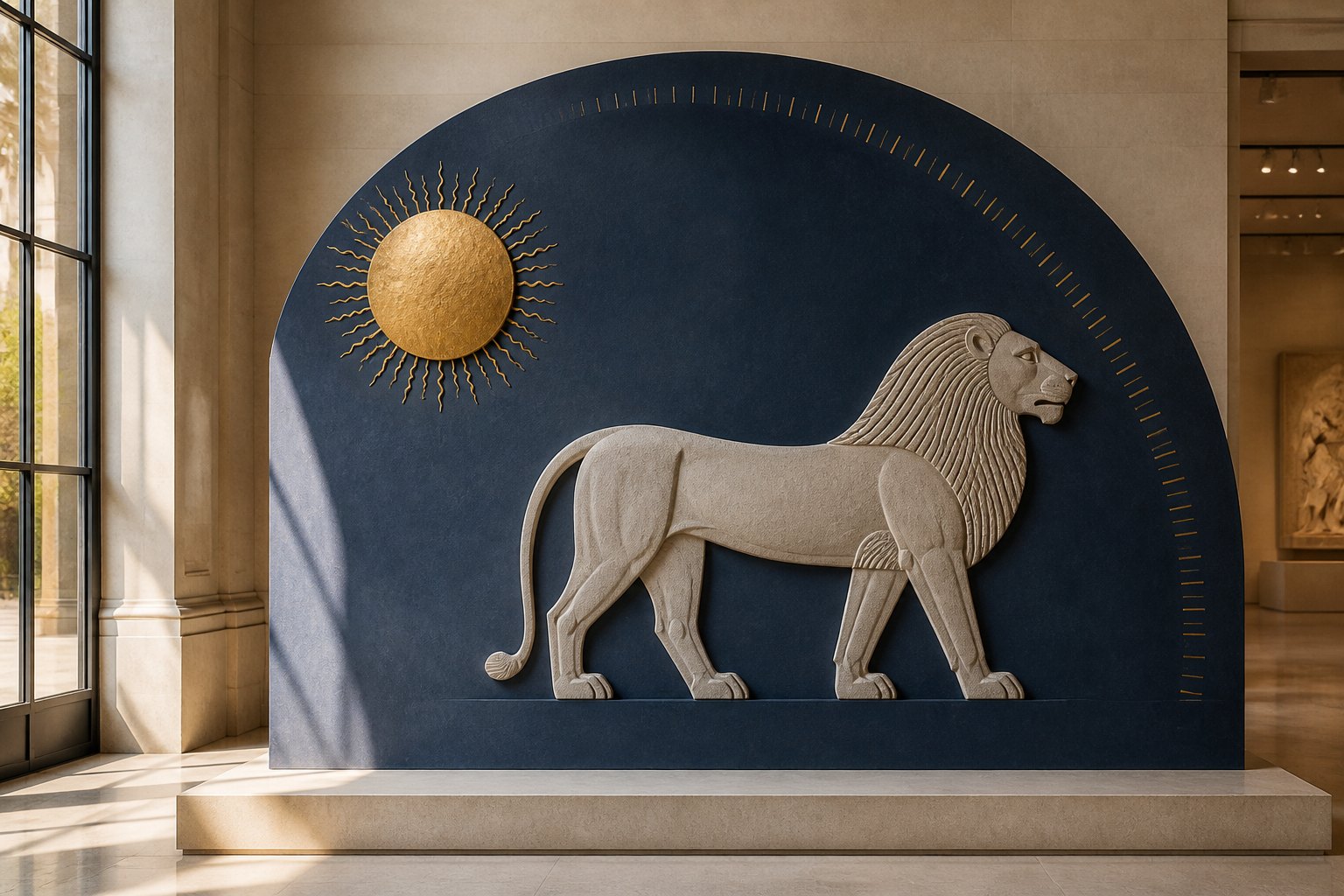
The Sun traditionally rules Leo in astrology. Once Verchiel is assigned to Leo, solar language such as visibility, authority, warmth, dignity, and radiance can accumulate around the angel without being present in the earliest name entry.
How the correspondence cluster grows
The later profile expands by carrying meaning from one linked coordinate to the next.
- Assign the sign
- Input
- A zodiac table
- Action
- Place Verchiel with Leo.
- Result
- The most stable received association
- Map the season
- Input
- Leo's position in the solar year
- Action
- Connect the sign with July or high summer.
- Result
- A monthly label
- Add the ruler
- Input
- Astrological rulership
- Action
- Associate Leo with the Sun.
- Result
- Solar imagery and qualities
- Interpret the cluster
- Input
- Sign, month, and planet
- Action
- Turn them into virtues or personality themes.
- Result
- A modern spiritual profile
This sequence explains why sun symbolism feels natural in modern art for Verchiel. It remains an interpretive consequence of the Leo assignment, not a uniquely identifying emblem recorded in scripture.
The heart correspondence comes from medical astrology
Traditional zodiacal anatomy assigns body regions from Aries at the head downward through the signs. Leo is commonly placed over the heart, upper back, or spine, which is why later Verchiel entries sometimes call the angel a ruler of the heart.
That statement is symbolic and historical, not medical. It does not mean Verchiel is a clinical patron of cardiac disease, and an astrological correspondence cannot diagnose symptoms or replace professional care.
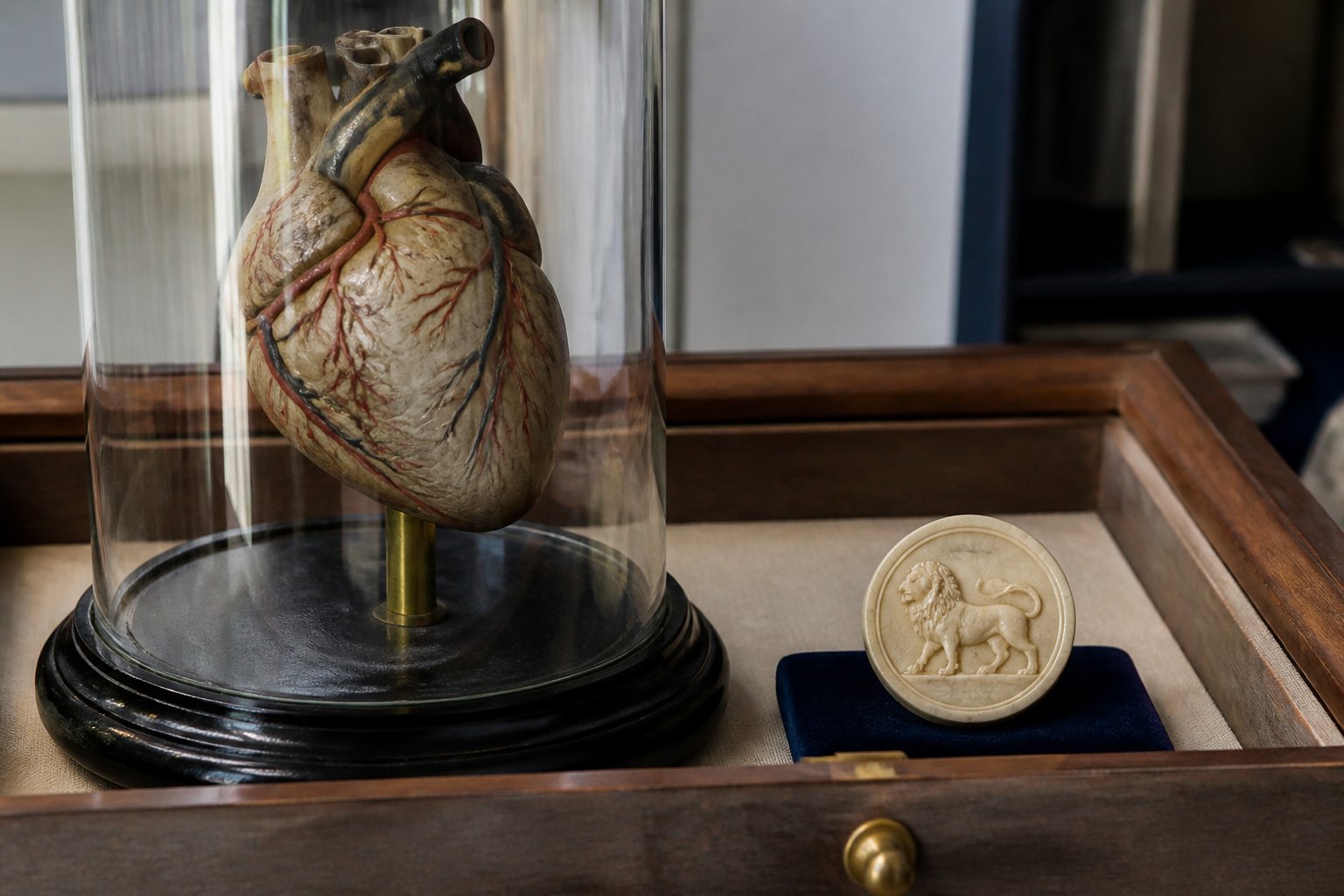
The symbolism can still explain later language about courage, affection, generosity, pride, and emotional warmth. These are metaphorical readings of the heart and solar Leo, not observations about a supernatural being's anatomy.
Readers should keep this boundary especially clear when modern pages use health language. A historical correspondence is useful for understanding an image system, while medical decisions require evidence of a different kind.
Can Verchiel be called an archangel or one of the Powers?
Some modern references call Verchiel an archangel, a prince, or a leader among the Powers. Those titles come from later attempts to coordinate zodiac angels with the ninefold angelic hierarchy.
The order of Powers has a history in Christian theological classification, but classical hierarchy texts do not provide a standard list naming Verchiel as its ruler. A table can combine two traditions without making the combination universal.
| Label | What it usually means here | Confidence |
|---|---|---|
| Zodiac angel | The name assigned to Leo | Strongest received identifier |
| Angel of July | A calendar correspondence attached to the sign | Common but system-dependent |
| Archangel or Power | A rank supplied by a later hierarchy table | Requires a named source |
This is why the broad archangel tradition should not be treated as one fixed roster. Different Jewish, Christian, liturgical, literary, and occult systems use the title in different ways.
Calling Verchiel a zodiac angel is therefore the clearest opening description. A rank can follow when the specific table that assigns it is identified.
Why do Verchiel's colors, stones, and virtues vary?
Gold, yellow, orange, red, ruby, jasper, sunflower, lion imagery, and royal motifs all appear in modern Verchiel material. Most can be explained through solar or Leo symbolism rather than through one old Verchiel inventory.
A writer may choose gold symbolism to express radiance or dignity, while another chooses red for heat and courage. Neither choice becomes historically fixed merely because it looks coherent.
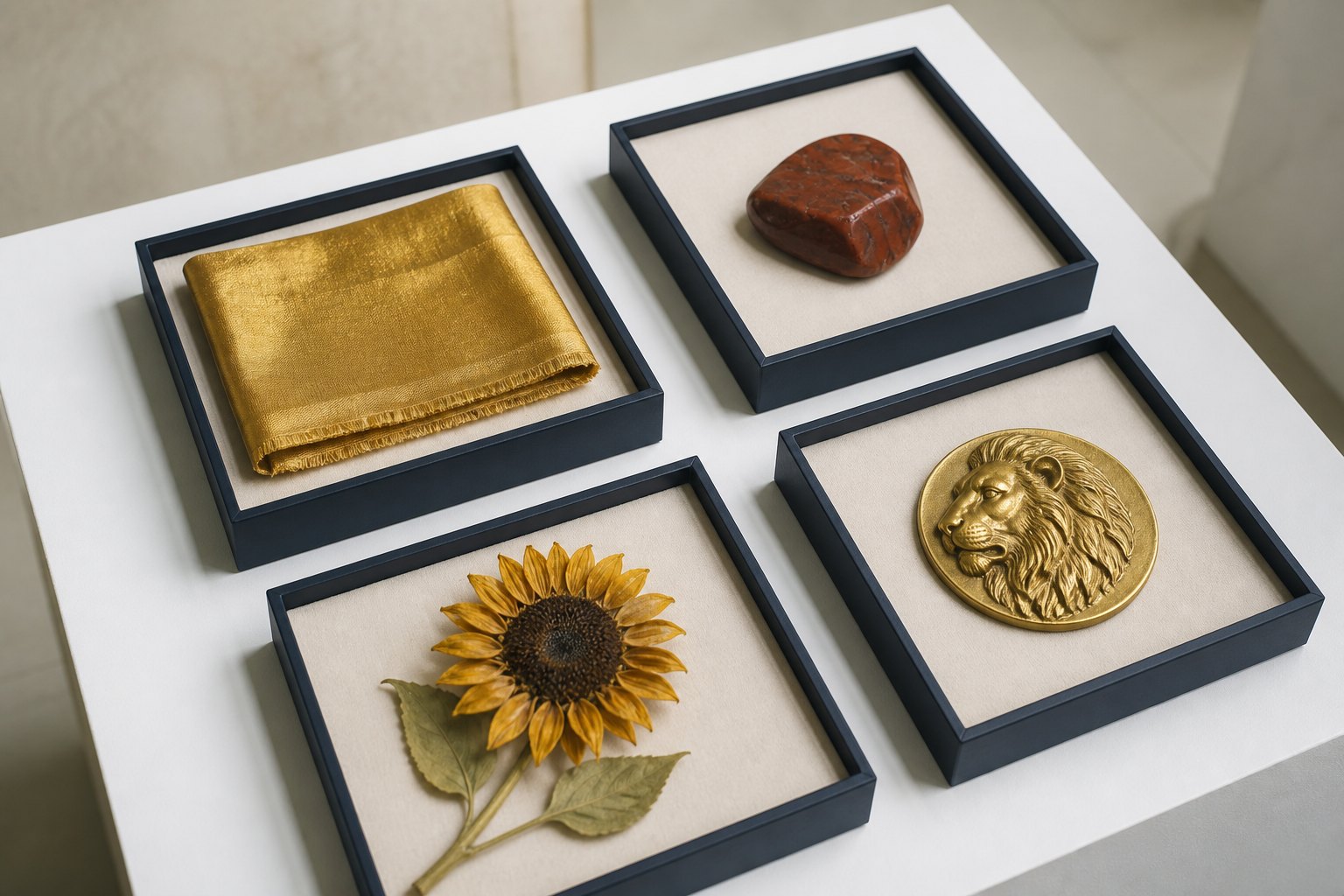
The same rule applies to virtues. Nobility, affection, leadership, creativity, pride, beauty, and grace are interpretive selections from a much larger Leo vocabulary, so different authors emphasize different traits.
A good source note states where the chain begins. “Associated with Leo in an early modern table, later interpreted through solar symbolism” is more precise than claiming that Verchiel universally governs every listed color, stone, and personality quality.
Should Verchiel be used as a personal guardian symbol?
A reader can use Verchiel as a reflective symbol within an astrological or devotional practice, but the historical record does not prove that everyone born under Leo has the same guardian angel. Birth-sign assignments depend on accepting the table that creates them.
The safest practice begins with attribution. Name the source system, separate inherited correspondence from personal interpretation, and avoid treating a sign description as a verdict about character or destiny.
- Identify the layer: Start with Verchiel's documented Leo and July coordinates.
- Check the edition: Note whether a rank, seal, color, or stone comes from the same source.
- Keep symbols optional: Solar and heart imagery can support reflection without becoming proof.
- Protect real decisions: Do not use an angel table to diagnose health, guarantee outcomes, or define another person's nature.
For visual reflection, the lion can represent courage or visibility, while the heart can represent honest affection and responsible leadership. These meanings work as prompts because the reader tests them against conduct, not because lion symbolism transmits a fixed message.
Verchiel's strongest historical identity remains simple and specific. The name belongs to a later zodiacal angel tradition centered on Leo and July, while the expanding rings of rank, anatomy, color, and personality should stay visibly attached to the sources that added them.
Frequently Asked Questions
Who is Angel Verchiel?
Verchiel is a later zodiac angel most commonly associated with Leo and the month of July in early modern and modern correspondence tables.
What does Verchiel mean?
Sources offer glosses such as “benediction of God” and “power of God,” but the first element is not securely established enough for one uncontested word-for-word translation.
Is Verchiel in the Bible?
No.
Verchiel is not named in the canonical Bible.
The figure is documented in later astrological, magical, literary, and reference traditions.
Why is Verchiel linked with Leo and July?
Early modern correspondence systems assign Verchiel to Leo, then coordinate that sign with high summer, the Sun, and July. The exact calendar boundaries vary by system.
Is Verchiel an archangel?
Some later tables call Verchiel an archangel or place the figure among the Powers. Those ranks are system-specific rather than a universal Christian classification.
Sources
- (1533). Three Books of Occult Philosophy. Early modern occult philosophy
- (1620). Calendarium Naturale Magicum Perpetuum. Magical Calendar
- (1635). The Hierarchy of the Blessed Angels. English angelological poem
- (1967). A Dictionary of Angels, Including the Fallen Angels. Free Press
- (2009). A History of Western Astrology, Volume II. Continuum
About Our Editorial Process
Every KnowTheAngels guide separates calculation method, tradition context, and personal reflection. We cite where interpretations come from, present more than one view, and never present symbolic reading as prediction.
Read our editorial policy