What Does Light or a Halo Mean in an Angel Dream?
A careful reading of dream light, halos, and radiant figures through sacred art, sleep imagery, and spiritual discernment

Light and halos in dreams are usually read as symbols of sacred presence, clarity, comfort, or awe, but the meaning depends on where the light comes from and what it changes in the scene.
A halo around a figure draws from religious art and saint imagery. A field of light, a beam, or a blinding flash may belong more to emotion, memory, or sleep imagery than to a specific angel message.
Quick Facts
- Dream frame
- Radiance, halo, beam, glow, or sacred brightness
- Primary question
- Where does the light come from, and what does it show or hide?
- Best lens
- Sacred art, dream perception, and emotional tone
- Main caution
- Brightness can feel authoritative even when the meaning is unclear
- Useful comparison
- Angels in dreams, white light, gold light, and visitation dreams
What the light shows, hides, or surrounds
Begin with the scene rather than the conclusion. A halo around a figure may borrow the visual language of holiness and authority, but it may also reflect religious art the dreamer has seen.
Light in the distance creates a different question. It may represent hope or a goal still out of reach, but distance inside a dream does not guarantee a direction to follow after waking.
relational-presence dream pattern belongs in the comparison only when it explains the current dream image more clearly.
| Dream detail | What it may suggest | Healthy interpretive use |
|---|---|---|
| Halo around a figure | Sacredness, authority, holiness, or art-memory | Ask who the figure is and what the halo changes |
| Light in the distance | Guidance, hope, or a goal not yet reached | Do not turn distance into guaranteed direction |
| Blinding light | Awe, overwhelm, or inability to see clearly | Clarity may not be the right reading |
| Warm glow | Comfort, safety, or gentle presence | Compare with the emotion after waking |
The third and fourth categories, blinding light and warm glow, keep the interpretation attached to the actual scene instead of a ready-made angel slogan.
Halo, glow, beam, and blinding light are not the same image
Halo imagery is worth separating from the surrounding dream material before meaning is assigned, and the specific figure carrying the halo matters. A named source and tradition keep the light from being read as one interchangeable sign.
First distinguish light attached to a figure from a beam that reveals a path or object. If wings or body shape carries more meaning than brightness, the wing-imagery guide is the closer comparison.
| Layer | What it highlights | Boundary |
|---|---|---|
| Halo | Often tied to saint, angel, or sacred-art vocabulary | Specific figure matters |
| Beam | Direction, attention, or narrowed focus | Can feel like instruction without being a command |
| Glow | Atmosphere, peace, or emotional warmth | Less specific than a message |
| Flash | Shock, transition, or sudden awareness | May be sensory or emotional rather than symbolic |
This distinction table is useful because glow and flash create different limits before any conclusion is trusted.
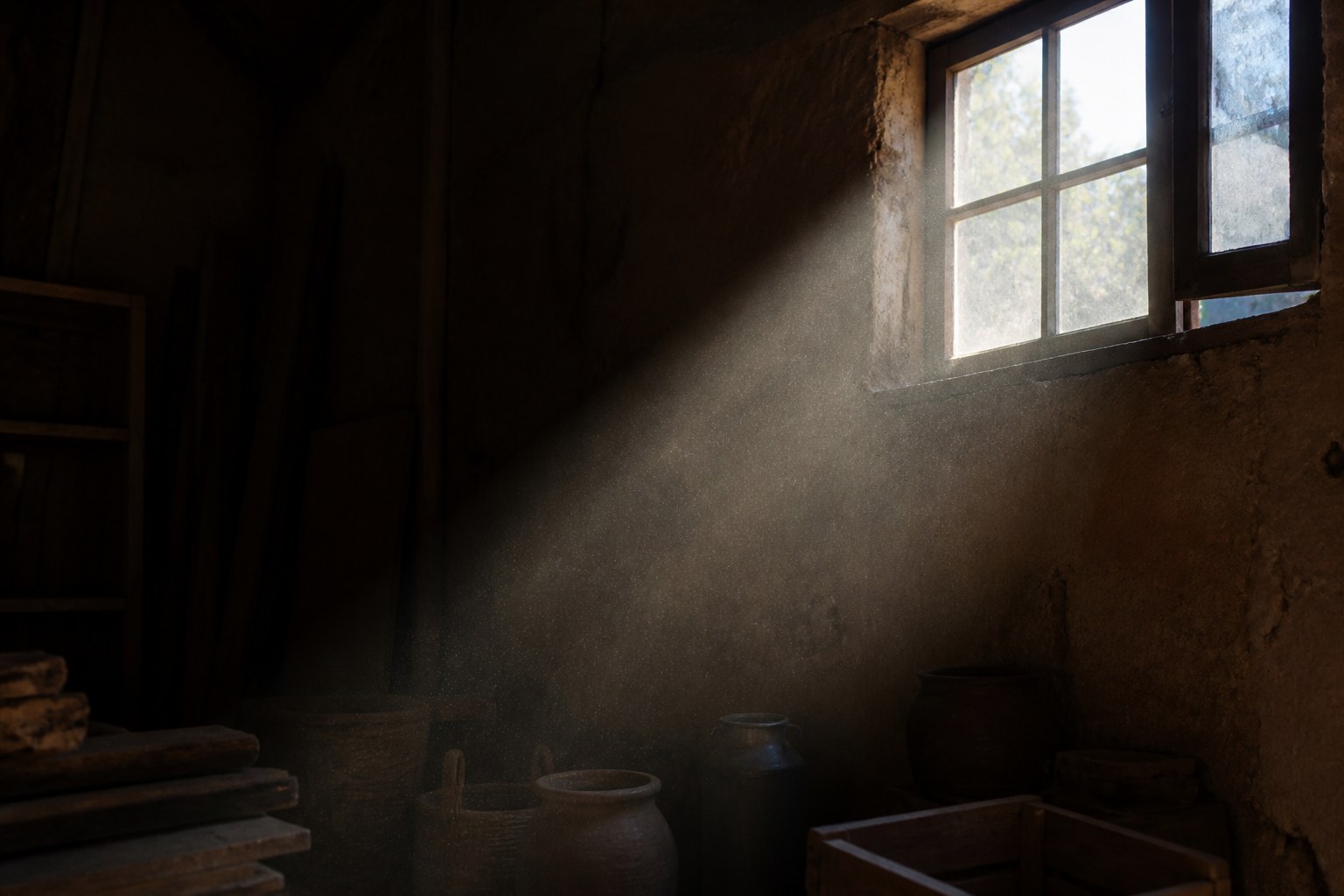
Sacred art, sleep imagery, and spiritual interpretation
Christian and Western art has to stay visible before the dream becomes advice. Art memory can shape dream imagery
In Christian art, halos became a familiar way to mark holy figures. A dream may reuse that visual convention without identifying a particular saint, angel, or message.
| Source context | What it contributes | What it cannot do alone |
|---|---|---|
| Christian and Western art | Halos mark holiness, sanctity, and divine light | Art memory can shape dream imagery |
| Religious symbolism | Light often signifies revelation, goodness, or presence | Meaning varies by tradition and text |
| Sleep and emotion | Dreams can turn awe, fear, or relief into brightness | Sensory intensity is not proof |
| Interpretive boundary | Radiance needs adjacent context before interpretation | Light alone should not command action |
Dreams can turn awe, fear, or relief into brightness. That sensory intensity shows emotional force, but light alone does not prove a message or command action.
When brightness inside a dream carries a sense of authority
A halo can make a dream figure feel authoritative because religious art teaches viewers to notice the ring of light. That visual intensity deserves examination, but it does not require obedience.
The force is local because guidance, hope, or a goal not yet reached does a different job from direction, attention, or narrowed focus.
Strength does not equal certainty
A vivid dream deserves attention, but each kind of force needs its own name.
The strongest visible detail anchors the reading
The waking residue shows whether the dream calmed, pressured, or unsettled
The tradition or ordinary source keeps the claim accountable
The boundary is that light alone should not command action.
white-light symbolism is useful when light, halo, or visual intensity is the stronger focus.
What the light did: source, direction, and what it showed or hid
The cleanest evidence is specific: halo around a figure, light in the distance, what changed after waking, and what the dream did not say. A single intense feeling may matter, but showing light and surrounding light are stronger because they can still be checked the next morning.

| Evidence type | Strong use | Weak use |
|---|---|---|
| Exact scene | Record concrete details before interpretation | Replace details with a broad spiritual mood |
| Repeated pattern | Compare several dreams over time | Overload one isolated dream |
| Waking context | Name grief, stress, prayer, conflict, or recent reading | Pretend the dream arrived without context |
| Practical fruit | Look for steadier attention and kinder action | Use the dream to create fear or control |
These details help distinguish light that reveals something from brightness that overwhelms the scene. The second pattern may point to confusion or emotional intensity rather than guidance.
How to read dream light without overclaiming it
Describe the image before assigning angel language. Start by locating the light source: a figure, the sky, a doorway, an object, or no visible source at all.
Light from a figure, sky, doorway, object, or nowhere carries different force.
Then track visibility. Did the light reveal a face or path, hide detail, or become too bright for the dreamer to see?
- Locate the source. Light from a figure, sky, doorway, object, or nowhere carries different force.
- Track visibility. Did the light reveal detail, hide it, or overwhelm the dreamer?
- Notice color and warmth. White, gold, blue, green, and purple light often carry different symbolic associations.
- Do not let awe replace analysis. A beautiful dream still needs context.
The third step adds restraint: Notice color and warmth. White, gold, blue, green, and purple light often carry different symbolic associations.
| Step | What to do | Why it matters |
|---|---|---|
| Showing light | Shows a path, face, or object | May support clarity or attention |
| Surrounding light | Wraps a person or place | May suggest blessing, memory, or idealization |
| Overpowering light | Prevents vision | May suggest overwhelm rather than guidance |
The practical sequence makes light & halos in dreams easier to hold, not heavier. Do not let awe replace analysis.
A beautiful dream still needs context.
What radiance inside a dream cannot confirm on its own
The weakest common claim treats any bright dream as divine confirmation.
Another weak reading ignores what the light actually did. Revealing, hiding, warming, and overwhelming are different actions and should not be collapsed into one meaning.
- Not automatic proof. The dream may carry spiritual meaning, but the image itself does not settle metaphysical certainty.
- Not a deadline. Urgency inside a dream should be translated into careful attention, not rushed action.
- Not a replacement for waking wisdom. Decisions still need context, counsel, and ordinary responsibility.
- Not a reason to hunt signs. A grounded reading reduces dependence on repeated confirmation.
Keeping halos, beams, glows, and flashes distinct protects the reading from fear and overreach. The form of the light is evidence, not decorative detail.
How to hold a luminous dream without overclaiming the brightness
The best use is small and concrete: shows a path, face, or object, then wraps a person or place.
In practice, light & halos in dreams should sharpen attention around halo around a figure, not force a conclusion the waking evidence cannot support.
A grounded use check
Use this check before turning the dream into advice.
Keeps attention on the dream, not a generic meaning list
Separates comfort, fear, clarity, and pressure
Prevents spiritual overreach
For light & halos in dreams, that small check is more useful than a dramatic conclusion because light in dreams can be deeply meaningful, but it should clarify the reading rather than overpower it.
When the light belongs to an angel, symbol, or visitation dream
The first comparison is Angels Appearing in Dreams, not a generic tour of dream meanings. The closest comparison themes for this page usually sit beside angels appearing in dreams and visitation dreams, because those neighboring themes change whether the dream is being read as figure, atmosphere, warning, practice, or ordinary aftereffect.
| Nearby theme | Best for | How it changes the reading |
|---|---|---|
| Angels Appearing in Dreams | Figure | Use when angels appearing in dreams gives the dream a cleaner comparison path than light & halos in dreams. |
| Visitation Dreams | Presence | Use when visitation dreams gives the dream a cleaner comparison path than light & halos in dreams. |
| Wings in Dreams | Image | Use when wings in dreams gives the dream a cleaner comparison path than light & halos in dreams. |
When the light surrounds a recognizable figure, angel-figure dream pattern can help interpret action and presence together. If the color is the main detail, white-light symbolism or gold-light symbolism may give a better comparison point.
If the light appears with a deceased loved one or a holy figure, use a separate grief-and-presence frame. The relationship may carry more meaning than the brightness.
A related symbol or practice can support the reading when White light is already part of the dream image, practice setup, or waking aftereffect.
The comparison only helps when it shows which detail would move the reader away from light & halos in dreams and into a neighboring dream pattern.
What light-dream summaries often miss
For light & halos in dreams, the first caution is simple: They treat any bright dream as divine confirmation.
The second caution matters most in practice. If the distinction it protects disappears, light & halos in dreams stops answering its own dream scene and starts sounding like any other dream page.
- They treat any bright dream as divine confirmation.
- They ignore whether the light showed, hid, warmed, or overwhelmed.
- They collapse halos, beams, glows, and flashes into one meaning.
- They skip the influence of sacred art and religious memory.
The caution works because they collapse halos, beams, glows, and flashes into one meaning. The comparison with Angels Appearing in Dreams also adds a source and tradition boundary before the reader accepts a larger claim.
For light & halos in dreams, the better question is whether the dream earned the category named in halo, glow, beam, and blinding light are not the same image.
Brightness, source, color, and visibility change what a halo image may mean
Record where the light came from.
A ring around a face, a glow behind a figure, a bright doorway, and a field that lights the whole scene are different images. Note whether the light revealed detail or made the figure impossible to see.
Halos are a long-standing convention in Christian religious art and also appear with some Classical deities.
A dream may borrow the familiar circle from icons, films, church art, or illustrations. The appearance alone cannot identify a specific tradition or prove that the figure was holy.
Record color and emotion separately.
Gold may feel warm, threatening, artificial, or ordinary depending on the scene. If flashes continue after you are fully awake, treat them as a waking vision symptom rather than evidence about the dream.
The National Eye Institute advises urgent eye care for many new floaters with flashes, a dark curtain-like shadow, or a new blurry area because these can signal a retinal tear or detachment.
A proportionate close for radiant dreams
Light in dreams can be deeply meaningful, but it should clarify the reading rather than overpower it. The question is what the light did, not simply how impressive it felt.
That closing frame matters because light & halos in dreams is strongest when it leaves the reader with what the light shows, hides, or surrounds and what light-dream summaries often miss.
If the reader still needs one comparison after that, Angels Appearing in Dreams is usually enough to test the edge of the reading.
A grounded reading leaves three things clear: halo around a figure, the dream's main interpretive direction, and the limit that keeps the interpretation honest.
Frequently Asked Questions
What does a halo in a dream mean?
A halo often draws on sacred-art symbolism around holiness, blessing, or authority, but the figure and action in the dream matter more than the halo alone.
Does bright light in a dream mean an angel is present?
It can suggest sacred presence for some readers, but bright light can also arise from emotion, memory, religious imagery, or ordinary dream construction.
What if the light was blinding?
Blinding light may point to awe or overwhelm rather than clear guidance. Treat the dream gently and avoid forcing certainty.
Does the color of dream light matter?
It can. Color associations may help, especially when the color is vivid and repeated, but color should stay connected to the dream scene.
Sources
About Our Editorial Process
Every KnowTheAngels guide separates calculation method, tradition context, and personal reflection. We cite where interpretations come from, present more than one view, and never present symbolic reading as prediction.
Read our editorial policy