What Does Angel Number 30 Mean, and What Does Its Zero Add?
Expression and amplification in modern readings, with the different ages, days and silver counted in scripture
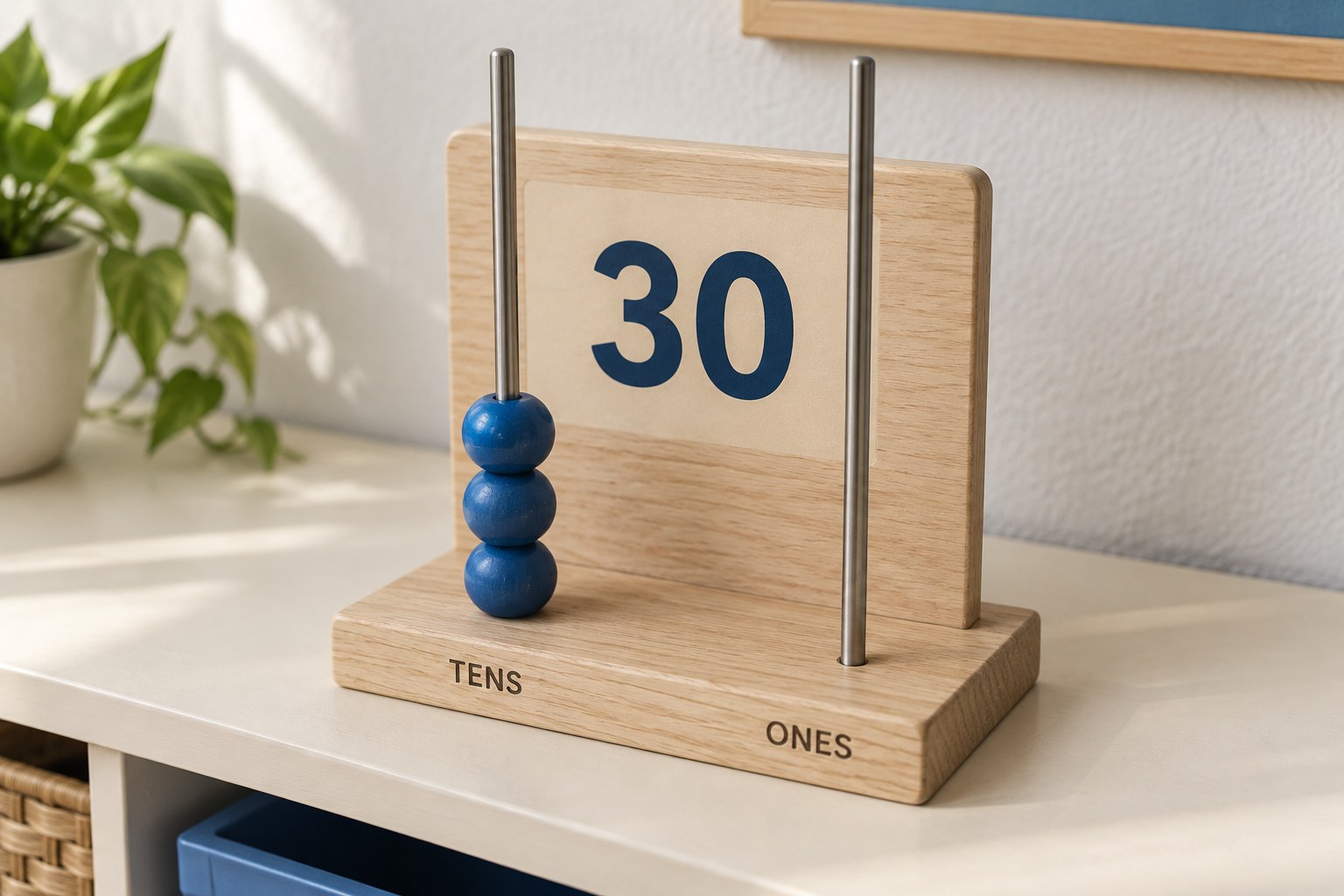
The zero in 30 leaves its digit sum at 3, but it gives modern angel-number writers something more to interpret. Hans Decoz associates 3 with verbal and creative expression, while the Sacred Scribes entry for 30 describes zero as magnifying the number beside it.
That difference explains the familiar creativity reading without making amplification a property of arithmetic. It also leaves a separate question for biblical references: thirty years, thirty days and thirty pieces of silver are not interchangeable evidence for a message.
Quick Facts
- Digit-sum result
- 3 + 0 = 3
- Decimal value
- Three tens and zero ones
- Amplification claim
- A convention in the Sacred Scribes reading, not an arithmetic operation
- Birthday subject
- Decoz's profile concerns someone born on the 30th
- Jesus in Luke 3:23
- About thirty at the beginning of ministry
- Other biblical units
- Mourning days, shekels and pieces of silver
What does zero add to the expression reading of 30?
There are two different operations behind the word meaning here. Decimal place value makes 30 three tens and zero ones, whereas numerological reduction adds the written digits and produces 3.
Zero is doing a job in the first operation: it holds the ones place. It contributes no additional amount in the digit sum, so neither operation multiplies a personality trait or establishes a spiritual influence.
Decoz's description of 3 supplies the expressive vocabulary: verbal fluency, charm, humor and creative ideas. His account also includes scattered attention, procrastination and difficulty finishing projects, rather than describing creativity as an unqualified advantage.
The Sacred Scribes entry supplies a different layer, saying that zero magnifies the attributes of the number beside it. Its associations with potential and choice are symbolic interpretations of zero, not extra terms in 3 + 0.
An amplifier reading can therefore emphasize expression more strongly than a plain root-3 reading, but it does not measure how much stronger.
The same language leaves open which part of the attributed profile is prominent. Emphasizing creative talent while omitting Decoz's unfinished-project theme would select one side of his account; claiming that zero intensifies both in a particular person would add a personal assessment the sum cannot supply.
Blair Andrews offers another symbolic route through the Empress, tarot card III. That correspondence follows the reduced 3 and the card's number, rather than locating a card numbered 30 or deriving tarot imagery from a zero.
| Written number | Digit calculation | Interpretive distinction |
|---|---|---|
| 3 | Already a single digit | Decoz's expressive single-digit profile |
| 30 | 3 + 0 = 3 | The zero-amplifier convention is additional |
| 33 | 3 + 3 = 6 | 33 may be retained as a master number in a specified chart method |
| 333 | 3 + 3 + 3 = 9 | A triple repetition with a different root |
Angel number 33 and angel number 333 consequently cannot stand in for 30 just because all three contain a 3. Their added digits change the sum; a claim about a retained master result is a further methodological choice.
The neighboring 29 reaches 11 before reducing to 2, while 31 reaches 4. Those calculations distinguish the numbers without making the sequence 29, 30, 31 a timetable for intuition, expression and achievement.
Does being born on the 30th differ from turning thirty?
Decoz's birthday-number 30 profile begins with a specific input: the person was born on the 30th day of a month. He associates that birthday with creative talent and verbal expression, while warning about attention spent on trivial matters.
The subject of the description is the person whose date supplies that input.
Someone born on April 30 keeps that day-of-month input at age twenty-nine, thirty or forty. Someone born on April 12 does not acquire it by reaching a thirtieth birthday, even though thirty may become an important milestone in that person's life.
Noticing 30 on an address, a price or a clock supplies neither person's birthday. Applying the day-30 profile to that encounter would replace the source's input with a different one.
Life Path 3 is a separate chart result calculated from the full birth date. The birthday day may contribute to that calculation, but it does not supply the month and year or determine their combined result.
For the same reason, a strong interest in music, writing or conversation cannot establish a Life Path number. Those interests may resemble the source's description; resemblance is not the calculation that produced a chart position.
Decoz's master-number set contains 11, 22 and 33, not 30. The trailing zero does not turn its root 3 into master number 33 or represent a missing second 3.
A chart interpretation that retains 33 and a sighting interpretation of angel number 3 therefore answer different questions. The former depends on a method and chart position; the latter applies an author's symbolic vocabulary to an encountered digit.
Turning thirty can still explain why the numeral feels personally significant. That significance comes from the milestone and its circumstances, rather than from a day-of-month profile silently changing its subject.
Why do biblical age passages connect thirty with public work?
Genesis 41:46 records Joseph as thirty when he entered Pharaoh's service, and 2 Samuel 5:4 gives David's age as thirty when he became king. Luke 3:23 describes Jesus as about thirty at the beginning of his ministry.
These passages give the age reading a textual basis, but their qualifications and roles differ.
| Passage | What thirty describes | Qualification that matters |
|---|---|---|
| Genesis 41:46 | Joseph entering Pharaoh's service | The age belongs to Joseph in that narrative |
| 2 Samuel 5:4 | David becoming king | The role is kingship, not a general rule for adulthood |
| Luke 3:23 | Jesus beginning ministry | Luke gives an approximate age |
| Numbers 4:3 | Service at the tent of meeting | Thirty is the lower end of a thirty-to-fifty age range |
The similarity is a public role beginning at or around that age. The difference is what each role involves: royal service, kingship and ministry are not three instances of one numerological chart position.
A reader may associate the cluster with maturity or readiness, but that is an interpretation of the pattern. The passages report people and roles; they do not instruct everyone who sees 30 to begin public work.
Luke's approximation matters particularly when thirty is presented as an exact spiritual threshold. His wording supports an approximate age for Jesus, not an exact birthday, a start date for every vocation or the age of John the Baptist.
Numbers 4:3 adds a range rather than another individual milestone. Removing its upper end of fifty would turn an age band for specified service into a statement that thirty alone governs readiness.
A person becoming eligible for a task within a stated age range is also different from a narrative reporting when a named person took office. Combining those forms can reveal a recurring age, but it cannot erase the conditions attached to each.
An age association can consequently have devotional meaning without becoming a prediction about employment. A modern job offer has its own employer, duties and terms; a biblical account of Joseph's appointment does not establish those facts for the reader.
How do mourning and silver change the biblical reading of thirty?
Thirty also measures events that are neither an appointment nor an age. Numbers 20:29 describes Israel mourning Aaron for thirty days, while Deuteronomy 34:8 gives the same period for mourning Moses.
The repeated duration belongs to the community's mourning in those passages.
An age counts time lived by a person; a mourning period counts the duration of an observance after a death. The same numeral cannot make those two units describe the same event.
Nor does a reported thirty-day observance establish how long an individual must feel grief. The text supplies a duration in its narrative, not a clinical assessment of bereavement or a deadline attached to noticing 30.
The numeral stays thirty while the counted thing changes
Two mourning periods in Numbers 20:29 and Deuteronomy 34:8
Compensation in the text's specified goring case
Payment followed by disposal to the potter
The payment counted out to Judas
Exodus 21:32 specifies compensation when a bull gores an enslaved person. Its thirty shekels belong to that particular provision; describing the passage as simply the price of a slave loses the event and liability that make the amount relevant.
The provision is part of an ancient text, not present-day legal guidance.
Zechariah 11:12-13 and Matthew 26:15 share the expression thirty pieces of silver, but their immediate actions differ. The first concerns a payment and its disposal to the potter; the second records the sum offered to Judas.
A shared payment amount may invite comparison between the passages. It does not make either transaction an illustration of creative self-expression merely because modern numerology assigns that theme to the digit sum.
The units need precision too: Exodus states an amount in shekels, whereas the other passages use pieces of silver. A modern display of thirty coin-shaped counters could illustrate a count, but it would not establish the historical weight, denomination or purchasing value of the stated payments.
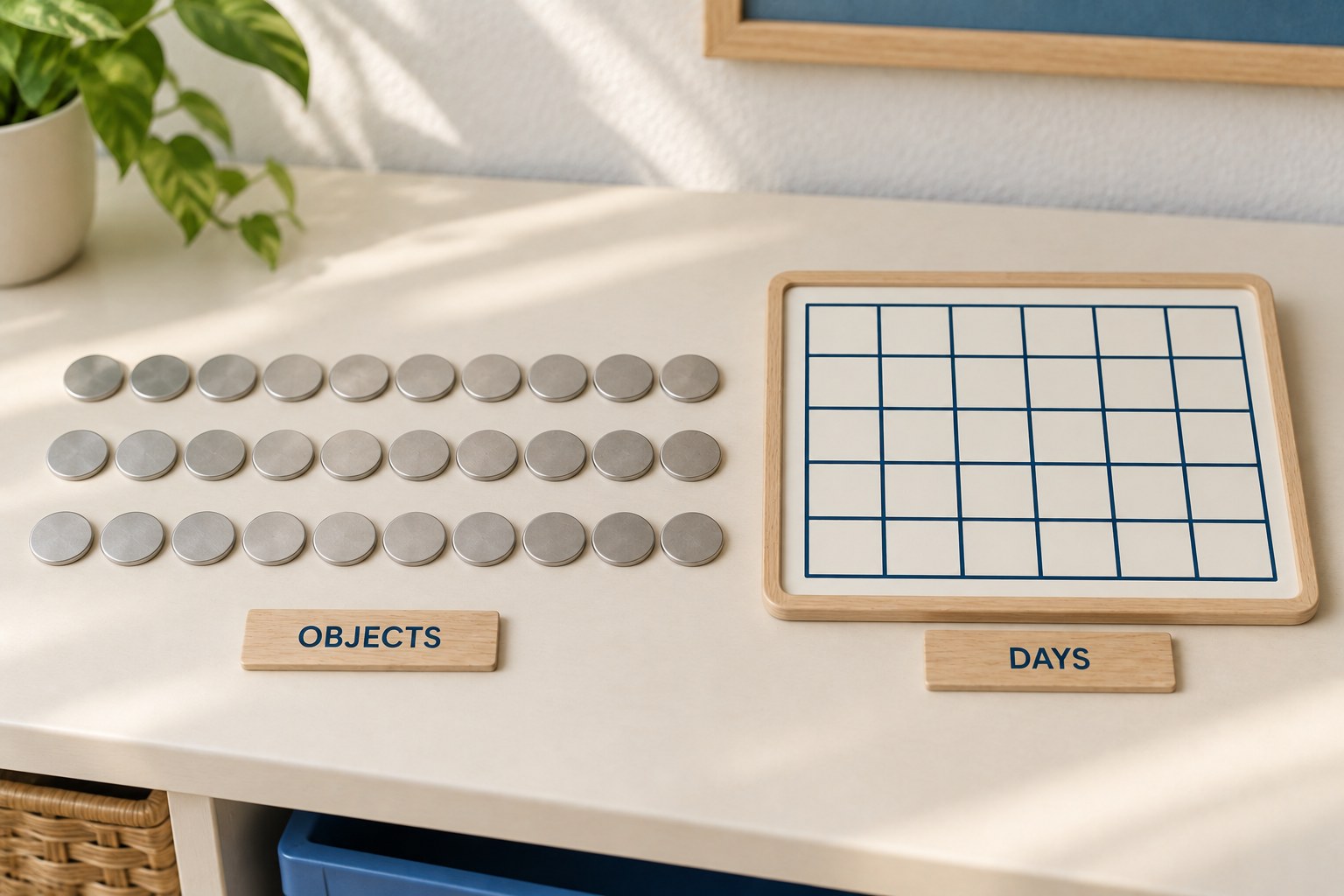
These distinctions also qualify the claim that thirty has one biblical meaning. Ages, mourning and silver can support different theological readings, but an interpretation has to explain the relevant passage rather than treating every occurrence as one angel-number message.
Can the expression reading answer love and creative-work questions?
In a love reading, the expressive 3 behind 30 can describe a theme for reflection about communication. It cannot establish whether another person wants commitment, reconciliation or the same future.
Decoz's contrast between verbal talent and unfinished work explains why a reader might examine the difference between expressing a feeling and completing a conversation. The zero-amplifier convention makes that theme more prominent in the reading, but supplies no rule that every long message hides an unasked question.
A hypothetical invitation shows the distinction without diagnosing either person. A message saying that someone enjoys spending time together expresses a feeling; an invitation to meet on Saturday makes a proposal that can receive an answer.
The feeling may be valuable even when no proposal is intended. Calling all expression incomplete would mistake a conversation about feelings for an agreement-making task.
In another hypothetical case, both partners talk frequently about living together, but one has not agreed to move. More eloquent descriptions of a shared home would not supply that agreement; the missing information concerns the partner's intention, not the number of messages.
Twin-flame interpretations sometimes make the sighting itself evidence for a bond or a reunion. The cited accounts of an expressive digit and an amplifying zero do not establish the wishes of a specific second person.
That distinction leaves room for spiritual interpretation without transferring another person's decisions to it.
Creative work raises a different question: an idea may be expressed clearly while the work remains unfinished. Decoz's profile names both the talent for expression and difficulty completing projects, which are distinguishable features rather than opposite verdicts about creativity.
For example, a hypothetical writer may have a developed premise and several attractive openings but no completed ending. Explaining the premise to an editor demonstrates an idea; it does not provide the missing manuscript.
An unfinished draft is not always evidence of procrastination. A deliberate revision, missing research or changed commission can also explain its state, so an incidental 30 cannot select Decoz's personality explanation over the actual circumstances.
At work, a completed proposal and an accepted proposal are different outcomes again. The author controls what has been submitted, while a client or employer decides whether it meets their needs.
A career-change reading cannot turn a successful presentation into an offered position. Likewise, enthusiasm for a project does not establish approval, a budget or a contract.
Why does :30 recur on clocks without identifying a message?
Every ordinary clock passes the half-hour mark, and scheduled appointments can make :30 especially familiar. A sighting on a minute display therefore occurs in a setting where thirty is already expected.
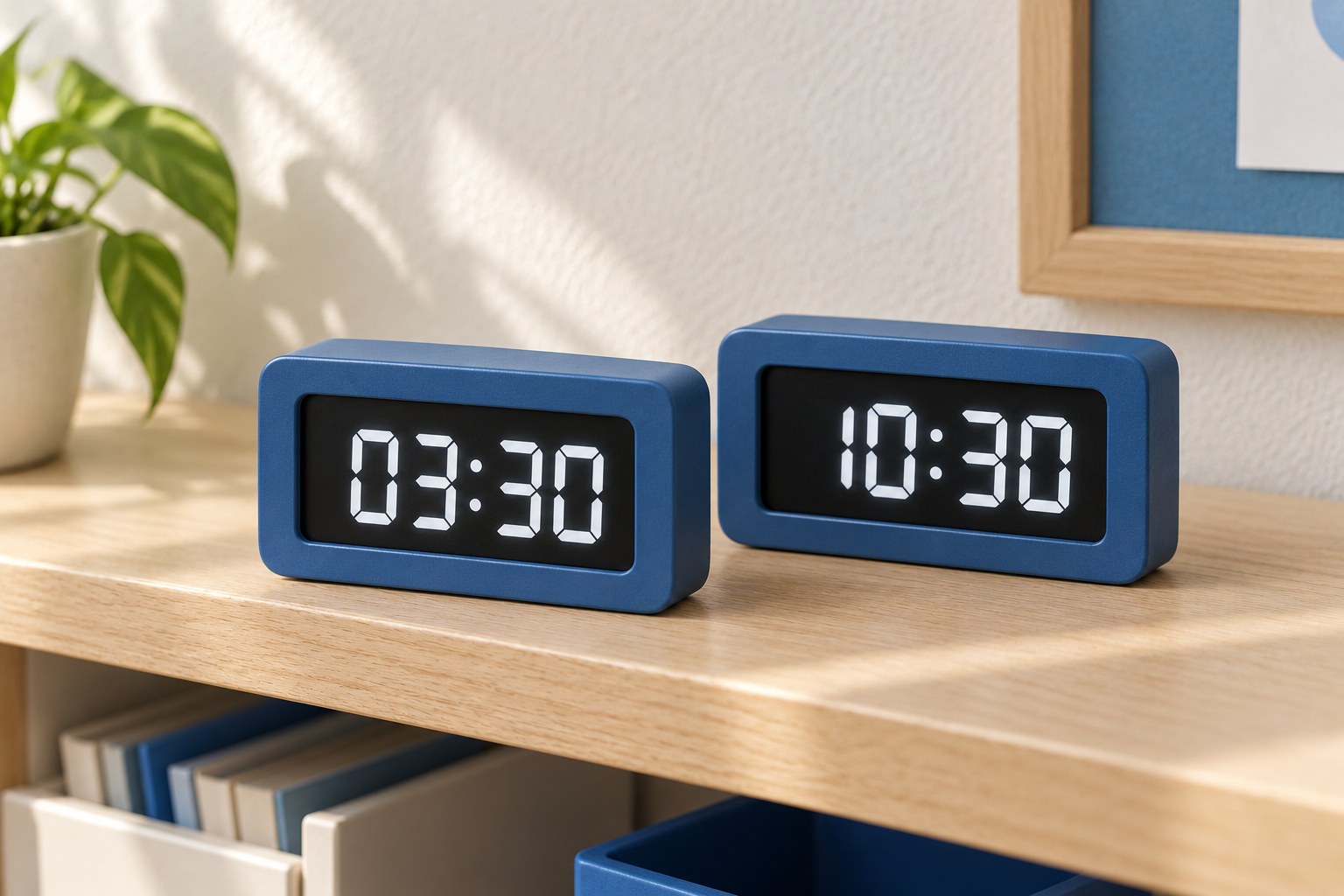
The complete timestamp is a different input from that minute fragment. At 03:30, summing every displayed digit gives 0 + 3 + 3 + 0 = 6; at 10:30, it gives 1 + 0 + 3 + 0 = 4.
Both displays contain :30, yet neither full-clock sum is 3. A method that reads only the minute and one that reads the entire clock are counting different digits, so their results cannot be substituted for each other.
Dates create another recurring setting: every Gregorian month except February has a 30th. A calendar date marked 30 and a person turning thirty can both make the numeral salient, although one counts a day within a month and the other counts years of age.
The American Psychological Association defines selective attention as concentrating on some stimuli while filtering out others. A recent birthday, a meaningful appointment or learning an interpretation can make a matching 30 stand out from the other numbers present.
Recurring numbers can therefore become more noticeable without a demonstrated increase in their frequency. Remembered matches alone leave out the clocks checked at other minutes and the dates that did not seem relevant.
This explanation concerns noticing, not a test that confirms or disproves angelic contact. The clock supplies a repeatable display pattern; assigning a spiritual message to one encounter adds an interpretation of that experience.
Sources
- (n.d.). Numerology Meaning of number 3. World Numerology. Link
- (n.d.). Master Numbers 11, 22, 33. World Numerology. Link
- (n.d.). Numerology Meaning of a 30 Birthday. World Numerology. Link
- (2011). Angel Number 30. Sacred Scribes Angel Numbers. Link
- (n.d.). Angel Number 30: The Empress With Room to Breathe. Numerologist.com. Link
- (2011). Genesis 41:46; Exodus 21:32; Numbers 4:3; Numbers 20:29; Deuteronomy 34:8; 2 Samuel 5:4. Bible Gateway. Link
- (2011). Zechariah 11:12-13; Matthew 26:15; Luke 3:23. Bible Gateway. Link
- (2018). Selective attention. APA Dictionary of Psychology. Link
About Our Editorial Process
Every KnowTheAngels guide separates calculation method, tradition context, and personal reflection. We cite where interpretations come from, present more than one view, and never present symbolic reading as prediction.
Read our editorial policy